Walking into a gym for the first time can feel like entering a room where everyone else received the handbook. You do not need to know every machine, lift heavy weights, or arrive with a six-week transformation plan. These gym beginner tips for women are built for busy adults who want more energy, better strength, and a routine they can actually repeat. I have coached thousands of everyday adults, and the most successful ones were not the people who started hardest. They were the people who made the first week manageable.
Start with comfort, not intensity
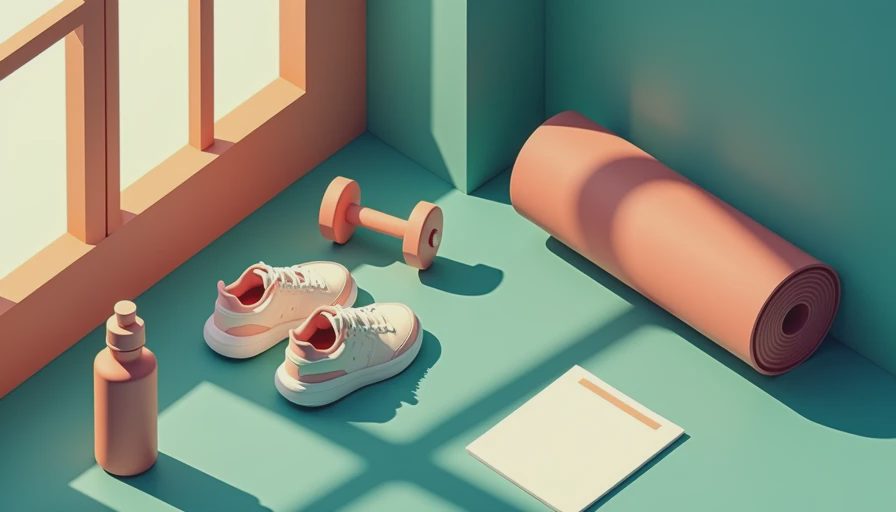
The best first workout is one that leaves you feeling capable of returning. Before you worry about calories burned, choose clothing that lets you move comfortably, supportive shoes, and a water bottle. If you have a medical condition, recent surgery, or an injury that affects movement, ask a qualified health professional how to begin safely.
On day one, spend five minutes walking slowly on a treadmill or pedaling an upright bike. The goal is to raise your temperature and learn where things are, not to prove your fitness. Then walk through a few basic movements: sit down and stand up from a bench, push a light cable handle, pull a resistance band, and reach overhead without forcing your range of motion. These simple tests tell you more about your starting point than an exhausting circuit.
A gym employee can show you how to adjust a seat or pin. That is a normal service, not an admission that you do not belong there. Write down the equipment settings that feel comfortable so your next visit starts with less guesswork.
Use a simple full-body workout
Most beginners do well with two or three full-body sessions each week, with at least one rest day between strength workouts. Training your major movement patterns regularly builds coordination and makes progress easier to notice. You do not need a separate “arm day” or “glute day” at this stage.
Try this beginner session with a weight that feels controlled:
Start with a leg press or chair squat for two sets of eight to twelve repetitions. This trains your legs while giving you a stable setup. Next, use a seated chest press or incline pushup for two sets of eight to twelve. Add a seated row for your back, a light dumbbell deadlift for your hips, and a farmer carry for your grip and trunk. Finish with five comfortable minutes on a bike or treadmill.
Rest about sixty to ninety seconds between sets. You should finish each set feeling that you could perform two or three more good repetitions. If your form changes dramatically, the weight is too heavy. One of the most useful gym beginner tips for women is also one of the least exciting: control the movement instead of chasing a number on the dumbbell.
Learn the difference between effort and pain
Muscles working, breathing harder, and mild next-day soreness can be normal when a new routine challenges you. Sharp pain, joint pain, numbness, dizziness, or pain that changes your walking is a reason to stop and reassess. “No pain, no gain” is not a training plan; it is usually a way to ignore useful information from your body.
Use a steady tempo. Lower a weight for about two seconds, pause briefly, and lift without jerking. Keep the range of motion comfortable. For example, a squat does not need to reach the floor if your heels lift or your knees feel irritated. A partial movement performed consistently is more useful than a deeper movement that leaves you unable to train for a week.
Keep a small workout note on your phone. Record the exercise, weight, repetitions, and how it felt. When the same weight feels easier for two sessions, add one or two repetitions or increase the load by the smallest available amount. That gradual approach is one of the gym beginner tips for women that protects confidence as well as joints.
Make the gym fit your real schedule
A routine that requires ninety free minutes will collapse if your actual life gives you thirty. Pick two likely training windows and protect them like appointments. A 25-minute workout after school drop-off can be productive. So can a Saturday morning session while another adult handles breakfast. Consistency comes from reducing friction, not from waiting for perfect motivation.
Create a short version for crowded or chaotic days. Walk for five minutes, perform two sets each of a leg exercise, a push, and a pull, then leave. This “minimum workout” keeps the habit alive without pretending that every day has the same energy. If you miss a week, restart with the last comfortable workout rather than trying to make up every missed session.
Many gyms offer beginner orientations, and some people prefer a few sessions with a certified personal trainer to learn equipment. Ask what is included, what the cancellation policy is, and whether the trainer has experience working with beginners. A good coach should explain why an exercise matters and offer a modification without making you feel embarrassed.

What to bring and what to skip
Bring shoes with a stable sole, headphones if music helps you focus, a towel if the facility requires one, and a plan written in your phone. You do not need expensive leggings, a branded shaker, fat-burning supplements, or a complicated wearable. Comfortable basics from Target, Old Navy, or a local sporting-goods store can work perfectly well.
Do not copy an advanced lifter’s workout just because it looks impressive. The person using a barbell for heavy squats may have years of practice, different recovery needs, and coaching you cannot see. Machines are not inferior, and free weights are not automatically better. Choose the tool that lets you learn the movement safely and repeat it with control.
Food matters for energy, but there is no need for a punishing diet. A meal with protein and carbohydrates a few hours before training, such as Greek yogurt with fruit or a turkey sandwich, is practical for many people. Drink water throughout the day and notice how your energy responds.
Build confidence one visit at a time
Confidence usually arrives after evidence. Each time you find the locker room, adjust a machine, finish a set, and leave feeling okay, you collect evidence that you can do this. That is why gym beginner tips for women should focus on repeatable actions rather than appearance or comparison.
For your first month, measure progress by attendance, smoother movement, better sleep, and daily tasks that feel easier. You might notice that carrying groceries, climbing stairs, or getting up from the floor takes less effort before any visible change occurs. Those improvements count.
If the free-weight area feels intimidating, begin with machines during a quieter time. If crowded spaces drain you, ask the front desk when traffic is lowest. If you prefer guidance, join a beginner class or follow a reputable program that explains substitutions. There is no prize for choosing the most uncomfortable option.
The strongest routine is the one you can return to after a difficult week. Start with two manageable sessions, keep the weights modest, and leave room to improve. Show up. Sweat a little. Come back.


No comments yet — be the first to share a thought.