A beginners dumbbell workout program should make strength training feel manageable, not like a punishment for missing the last ten years of exercise. If you have a pair of dumbbells, a little floor space, and 20 to 30 minutes, you have enough to begin. The goal is simple: practice useful movements, build a routine you can repeat, and finish feeling capable rather than flattened.
I have coached thousands of everyday adults, including desk workers, parents, and people returning to exercise after a long break. The most successful ones did not chase exhaustion. They learned a few dependable exercises and showed up consistently. This plan follows that approach.
What you need before starting
Choose dumbbells that let you complete every repetition with steady form. For many beginners, that might mean 5- to 15-pound weights for upper-body movements and 10- to 25-pound weights for lower-body movements. Those are starting points, not requirements. A backpack loaded with books can work temporarily, and adjustable dumbbells can save storage space if you are shopping for equipment.
You will also want supportive shoes, a clear area, and something stable to hold during balance exercises. A workout mat is optional. Set a timer for rest periods, and keep water nearby. Before each session, spend three to five minutes walking around, rolling your shoulders, practicing bodyweight squats, and taking calm breaths. A warm-up raises your temperature and gives your joints a chance to rehearse the movements.
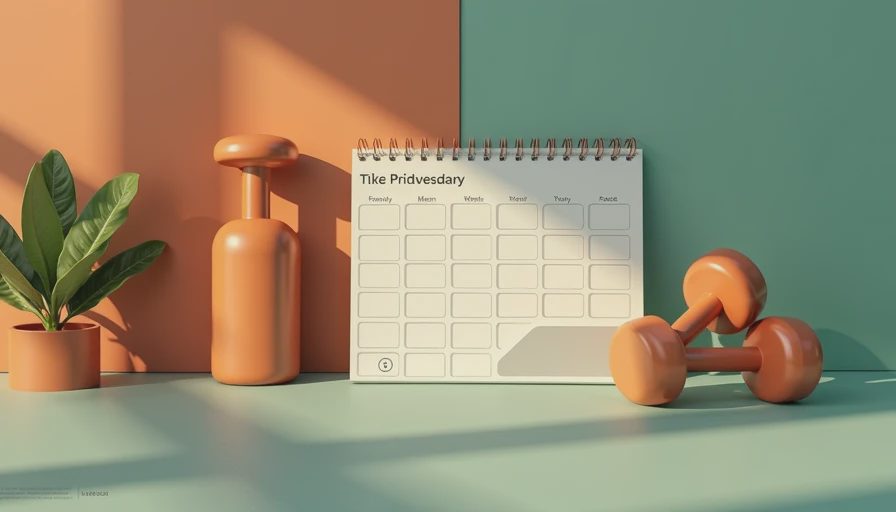
Train three nonconsecutive days each week, such as Monday, Wednesday, and Saturday. On other days, an easy walk or gentle mobility session is enough. Recovery is part of the program, especially when your muscles and coordination are adapting.
The three-day beginners dumbbell workout program
Perform the following routine for four to six weeks. Start with two sets of each exercise during the first two weeks. If you feel comfortable afterward, move to three sets. Rest about 60 to 90 seconds between sets, and stop a set when your form starts changing.
- Goblet squat: Hold one dumbbell at chest height, sit your hips down and back, then stand by pressing through your feet. Do 8 to 12 repetitions. This trains your thighs and hips while teaching you to brace your middle.
- One-arm row: Support one hand on a chair or bench, keep your back long, and pull the dumbbell toward your rib cage. Complete 8 to 12 repetitions per side. Think about moving your elbow, not shrugging your shoulder.
- Dumbbell floor press: Lie on your back with knees bent and press the weights upward. Lower until your upper arms gently touch the floor. Complete 8 to 12 repetitions. The floor limits your range slightly and gives new lifters a stable setup.
- Romanian deadlift: Hold the dumbbells in front of your thighs, soften your knees, and push your hips behind you. Keep the weights close to your legs, then squeeze your glutes to stand. Complete 8 to 12 repetitions.
- Half-kneeling shoulder press: Kneel with one foot forward, hold one dumbbell at shoulder height, and press it overhead without leaning backward. Do 6 to 10 repetitions per side. Use a light weight; the goal is control.
- Suitcase carry: Hold one dumbbell at your side and walk slowly for 20 to 40 seconds. Switch hands and repeat. This builds grip and challenges your ability to resist leaning.
You can complete all exercises in order, rest, and repeat. Or pair the squat with the row, then the floor press with the deadlift. Pairing movements saves time while still allowing enough recovery.
How to progress without rushing
A good beginners dumbbell workout program gets slightly harder over time, but “harder” does not always mean heavier. First, make your movement smoother. Next, add one or two repetitions while staying within the listed range. When you can complete the top number of repetitions for every set with two or three controlled repetitions still available, increase the weight by the smallest practical amount.
For example, suppose you goblet squat 15 pounds for three sets of 10. Over the next session, try three sets of 11. Eventually, you may reach three sets of 12 with steady depth and no knee discomfort. Then test a 20-pound dumbbell and return to three sets of 8. This gradual reset is normal; it does not mean you lost progress.
Keep a short log in your phone. Record the exercise, weight, repetitions, and any notes about discomfort or energy. After a month, that record will show progress that a mirror cannot: a heavier row, a cleaner hinge, or less rest between sets.
Form fixes for common beginner problems
If your squat feels awkward, practice sitting toward a chair and standing before adding weight. Keep your whole foot connected to the floor rather than rising onto your toes. If your lower back feels a Romanian deadlift more than your hips and hamstrings, shorten the range and push your hips farther behind you. The dumbbells should stay close to your legs.
During rows, avoid twisting your torso to lift the weight. Use a lighter dumbbell and pause briefly when your hand reaches your ribs. During presses, keep your ribs from flaring dramatically. Exhale as you press and lower the weights slowly.
Muscle effort and mild next-day soreness can be normal. Sharp pain, joint pain, numbness, or pain that changes your movement is a reason to stop that exercise. Substitute a comfortable variation or get guidance from a qualified professional, particularly if you have a current injury or medical condition.
A realistic 25-minute schedule
Busy days need a backup plan, so here is a short version of this beginners dumbbell workout program. Spend four minutes warming up, then perform two rounds of goblet squats, one-arm rows, floor presses, and Romanian deadlifts. Work for 40 seconds, rest for 20 seconds, and switch exercises. Finish with two minutes of easy walking and breathing.
If you only have 15 minutes, do one set of each movement and repeat the two exercises that feel most important that day. A short session still reinforces the habit. You do not need to “make up” missed workouts with a punishing double session. Simply return to the next scheduled day.
For a sample week, train Monday with the full routine, walk Tuesday, train Wednesday with two sets, rest Thursday, train Friday with the full routine, and take a relaxed weekend walk. If Friday disappears into work or family logistics, Saturday works just as well.
What progress should feel like
During the first few weeks, progress may look quiet. You might carry groceries more comfortably, stand from a chair with less effort, or feel more confident lifting a laundry basket. Those improvements matter. Strength is not only a gym number; it is useful capacity for ordinary life.
Do not judge the program by how sore you feel. Severe soreness can make the next session harder and does not prove that a workout was effective. Aim to finish most sets feeling challenged but controlled. Sleep, regular meals, and reasonable rest will support the work far better than adding random high-intensity sessions.
After four to six weeks, repeat your notes and choose one change: add a set, increase a few weights, or move to a slightly more demanding variation. Keep most of the exercises familiar so you can measure improvement clearly.
Your next step
Put the dumbbells somewhere visible, schedule three short appointments with yourself, and begin with the lightest weight that lets you practice well. This beginners dumbbell workout program is meant to be repeated, adjusted, and lived with—not conquered in one dramatic week. Show up. Sweat a little. Come back.


No comments yet — be the first to share a thought.