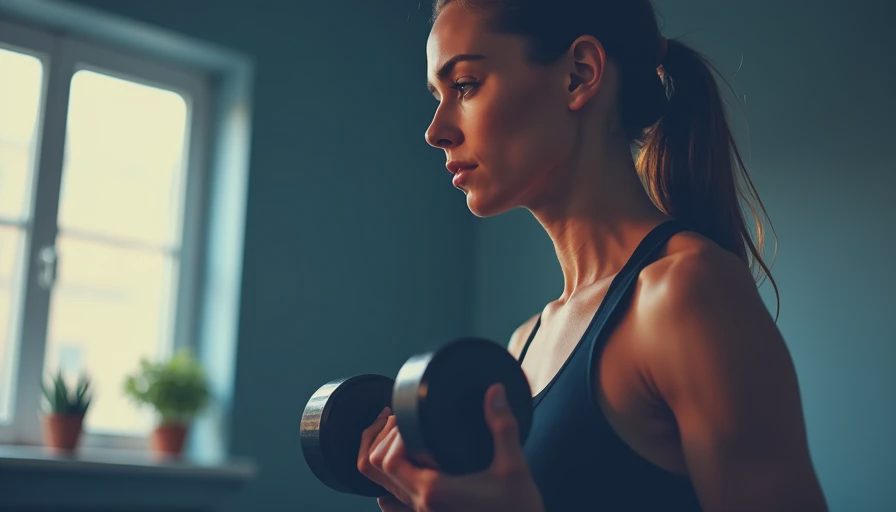
A beginner dumbbell workout routine should make exercise feel more manageable, not turn your living room into a punishment zone. You need a pair of weights, a little floor space, and about 25 minutes. That is enough to practice the basics, build useful strength, and finish your day feeling like you did something kind for your future self.
I have coached thousands of everyday adults, and the biggest mistake I see is starting with too much intensity. Someone buys adjustable dumbbells, follows an advanced video, gets painfully sore, and decides strength training is not for them. We are skipping that story. This plan uses controlled movements, reasonable volume, and simple progress so you can keep coming back.
What you need before you start
Choose dumbbells that feel challenging but allow clean technique. For many beginners, 5- to 15-pound weights are a practical starting range, though a stronger person may begin with 20 pounds or more for lower-body exercises. You do not need matching weights for every move. A squat might use two 15-pound dumbbells, while an overhead press might require two 8-pound dumbbells.
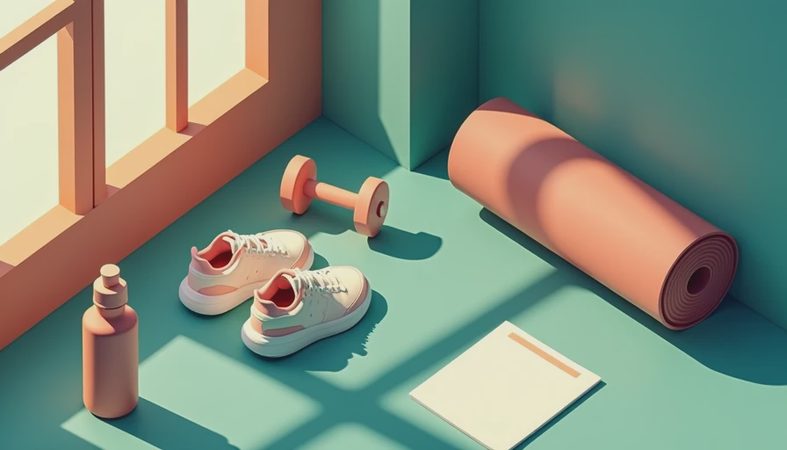
Clear an area about the size of a yoga mat. Wear shoes with a stable sole, or train barefoot if your floor and balance make that comfortable. Keep water nearby, and give yourself five minutes to warm up with marching, arm circles, easy bodyweight squats, and hip hinges. The goal is to raise your temperature and rehearse the patterns, not exhaust yourself before the workout begins.
Use a pain rule that is easy to remember: effort and muscle fatigue are normal; sharp, sudden, or joint pain is a reason to stop and adjust. If you have a current injury, heart condition, uncontrolled blood pressure, or a long gap in medical care, get appropriate guidance before beginning. You deserve a plan that fits your body today.

The full-body workout
This beginner dumbbell workout routine works well two or three nonconsecutive days per week. Rest for 45 to 75 seconds between exercises, and complete two rounds during your first two weeks. Move slowly enough that you could explain what your muscles are doing.
Start with the goblet squat for 8 to 10 repetitions. Hold one dumbbell vertically at your chest, keep your ribs stacked over your hips, and sit between your feet. The squat trains your legs and gives you a useful way to practice bracing. If your knees feel uncomfortable, reduce the depth and place a chair behind you as a target.
Next, perform a dumbbell floor press for 8 to 10 repetitions. Lie on your back with knees bent and hold the weights above your chest. Lower your elbows until your upper arms gently touch the floor, then press back up. The floor limits the range slightly, which makes this a friendly first pressing exercise for your shoulders.
Follow with a supported one-arm row, completing 10 repetitions per side. Place one hand on a chair or sturdy countertop, hinge your hips back, and pull the dumbbell toward your ribs. Think about moving your elbow rather than yanking with your hand. This builds upper-back strength that can support carrying groceries, lifting a child, or spending a long afternoon at a desk.
Add the movements that make daily life easier
The Romanian deadlift teaches you to hinge at the hips while strengthening your glutes and the back of your legs. Hold dumbbells in front of your thighs, soften your knees, push your hips behind you, and lower the weights only as far as you can keep your back neutral. Eight to 10 repetitions are enough. You should feel tension in your hamstrings, not a tug in your lower back.
For a beginner dumbbell workout routine, the standing overhead press is best treated as a skill rather than a test of willpower. Start with the weights at shoulder height, tighten your midsection, and press overhead for 6 to 8 repetitions. Keep your ribs from flaring forward. If standing feels unstable, press one dumbbell at a time or use a seated position with back support.
Finish with a farmer carry. Hold a dumbbell in each hand, stand tall, and walk slowly for 20 to 40 seconds. Keep your shoulders relaxed and your steps quiet. This simple exercise trains grip, posture, and whole-body control without requiring complicated choreography. Rest, breathe normally, and repeat the circuit if you still have good form.
How to progress without rushing
A beginner dumbbell workout routine should become slightly more demanding over time, but you only need one small change at a time. First, add repetitions within the recommended range. When you can complete every set with steady technique and about two good repetitions still available, increase the weight by the smallest practical amount, often 2.5 to 5 pounds per dumbbell.
You can also progress by adding a third round, shortening rest by 10 to 15 seconds, or slowing the lowering phase. Do not make all four changes in the same week. Stronger is built through repeated practice, not one heroic Tuesday that leaves you unable to sit down on Wednesday.
Write down the weight, repetitions, and how the session felt. A note such as “two rounds, 10-pound weights, moderate effort” gives you useful information for next time. If sleep was poor or work was chaotic, repeating the same workout is still progress because you protected the habit.
A realistic weekly schedule
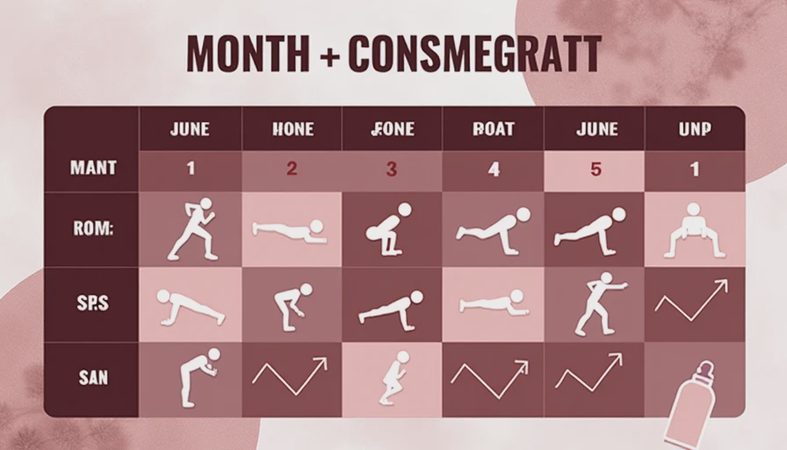
Try the workout on Monday and Thursday for the first two weeks. On two other days, take a 15- to 30-minute walk or do gentle mobility work. After that, you can add a Saturday session if recovery feels good. Leave at least one easier day between strength workouts, especially when your muscles are new to resistance training.
A busy parent might complete the first round before breakfast, pause to handle a school morning, and finish the second round later. A desk worker might train immediately after shutting down a laptop, before the evening disappears. You do not need a perfect hour, matching clothes, or a dramatic playlist. You need a repeatable appointment with yourself.
If you miss a week, do not double the workout to catch up. Return with two rounds, lighter weights if needed, and the same calm technique. Consistency includes restarting without turning the restart into a self-criticism session.
Common form fixes and final encouragement
If your squat feels like a knee-only movement, sit your hips back slightly and keep your whole foot connected to the floor. If your row turns into a shoulder shrug, lower the weight and pause when your elbow reaches your ribs. If your deadlift makes your back tired first, shorten the range and practice pushing your hips toward the wall behind you.
The best beginner dumbbell workout routine is the one you can repeat next week. Strength training should support your life, whether that means carrying laundry, climbing stairs, playing on the floor, or simply feeling less fragile during ordinary tasks. Start with two rounds, stop before your form falls apart, and let small improvements accumulate.
You are not behind, and you do not need to earn the right to begin. Show up. Sweat a little. Come back.

No comments yet — be the first to share a thought.