Mat pilates for beginners is a practical way to build strength, improve body awareness, and move with less stiffness without turning your living room into a fitness studio. You need a mat, comfortable clothes, and about 15 minutes. You do not need a dancer’s flexibility, a flat stomach, or a perfect schedule. As a coach, I have watched hundreds of everyday adults start cautiously, discover that the exercises are manageable, and gradually feel more capable in their bodies.
The goal is not to crush yourself. Pilates uses controlled movements, steady breathing, and focused positions to train your trunk, hips, shoulders, and posture. That combination can make ordinary tasks, such as lifting a laundry basket or sitting through a long workday, feel more supported. Start gently, pay attention to how you feel, and let consistency do the heavy lifting.
What mat Pilates actually trains
Pilates is often described as core exercise, but that is only part of the picture. Your core includes more than visible abdominal muscles. It includes muscles around your trunk and pelvis that help transfer force and keep you steady while your arms and legs move. A beginner session might also challenge your glutes, inner thighs, upper back, and shoulder stabilizers.
The mat matters because it gives you a stable surface for floor-based movements. Unlike a reformer, a mat workout does not rely on springs, straps, or a moving platform. That makes it easier to practice at home and less intimidating when you are new. A yoga mat works well, although a thicker exercise mat can feel better for sensitive knees, hips, or a bony spine.
Breathing is another important piece. Instead of holding your breath while concentrating, try a slow inhale through your nose and a relaxed exhale through your mouth. The exhale can help you gently engage your abdominal muscles without bracing so hard that your neck and shoulders take over. If a movement makes you grip your jaw or shrug your shoulders, reduce the range of motion and reset.
A beginner-friendly 15-minute routine
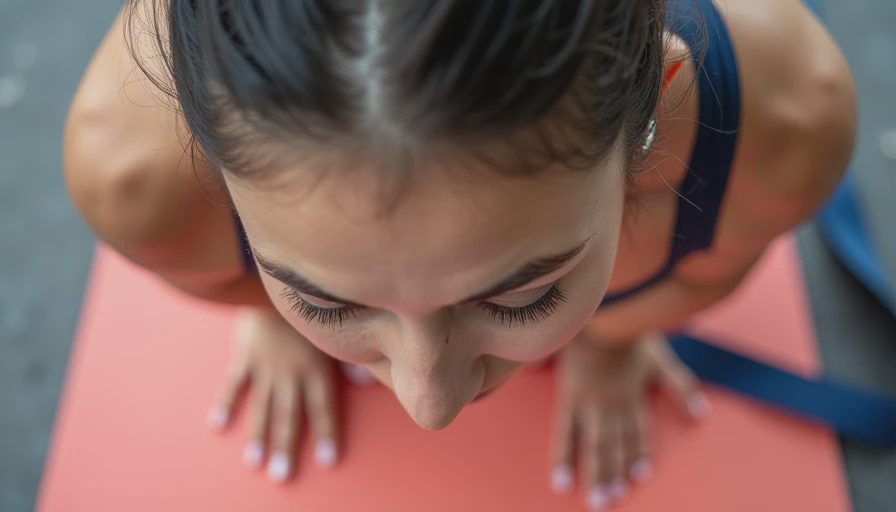
This mat Pilates for beginners routine is designed to introduce the basic positions without exhausting you. Move slowly and rest whenever your form becomes difficult to control. For the first week, complete one round. If it feels comfortable after several sessions, add a second round or spend a few extra breaths in each position.
Start with pelvic tilts. Lie on your back with your knees bent and feet on the mat. Gently tip your pelvis so your lower back moves closer to the floor, then release back to a neutral position. Complete eight to ten slow repetitions. This teaches you to notice your spine and pelvis before adding more demanding movements.
Next, try heel slides. From the same position, exhale as you slowly slide one heel away from your body, then bring it back without letting your ribs flare or your back arch dramatically. Alternate sides for six repetitions each. The reason for this exercise is simple: your legs move while your trunk practices staying steady.
Move into a bridge. Press through both feet, squeeze your glutes gently, and lift your hips only as high as you can without pinching your lower back. Pause briefly, then lower one section of your spine at a time. Aim for eight repetitions. This builds strength through the back of your body, which can be useful if you spend much of the day sitting.
Finish with a side-lying leg lift on each side. Keep your waist gently lifted away from the mat and raise the top leg a few inches, then lower it with control. Six to eight repetitions per side are enough at first. You should feel the side of your hip working, not a sharp sensation in your knee or lower back.
The form fixes that make a big difference
The most common beginner mistake is trying to make every movement larger. Bigger is not automatically better. A heel slide that travels three inches with control is more useful than one that travels a foot while your pelvis twists. Think quiet and precise rather than dramatic.
Another frequent issue is treating the abdominal muscles like a rigid corset. You still need to breathe. Imagine gently tightening your midsection before someone gives you a light poke, then keep that support while allowing your ribs to move. If you cannot speak a short sentence, you are probably working too hard for an introductory session.
Your neck also deserves attention. During exercises that lift your head and shoulders, keep your gaze slightly forward and avoid pulling on your head with your hands. If your neck gets tired, lower your head and continue with a version that keeps your spine supported. There is no prize for forcing a position your body cannot maintain yet.
Mat Pilates for beginners should feel challenging but organized. Mild muscular effort, warmth, and a little shaking can be normal. Sharp pain, numbness, dizziness, or pain that changes the way you move is a reason to stop. If you are pregnant, recovering from surgery, or managing an injury, ask a qualified health professional how to modify exercise safely.
How to fit Pilates into a busy week
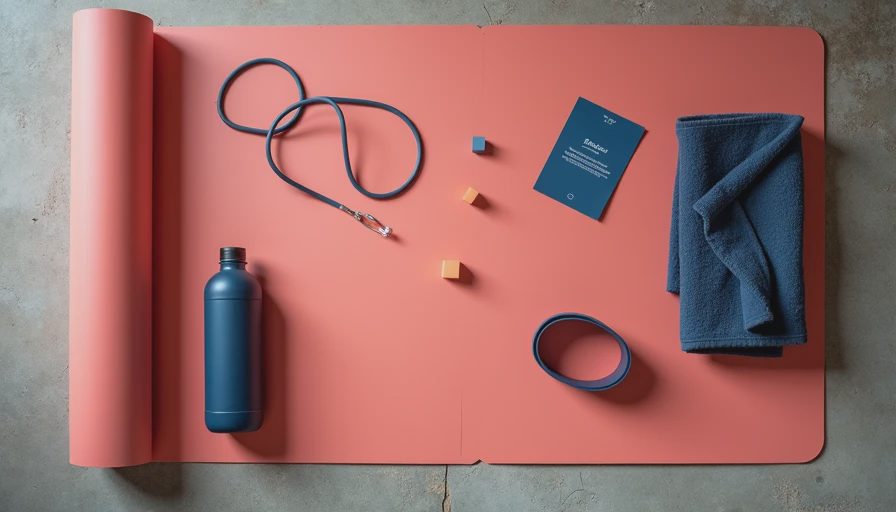
You do not need a six-day plan. Two or three short sessions each week can give you enough practice to learn the movements. Put the mat somewhere visible, such as beside the couch or at the foot of your bed. When the equipment is already waiting, you remove one small barrier between deciding to exercise and actually beginning.
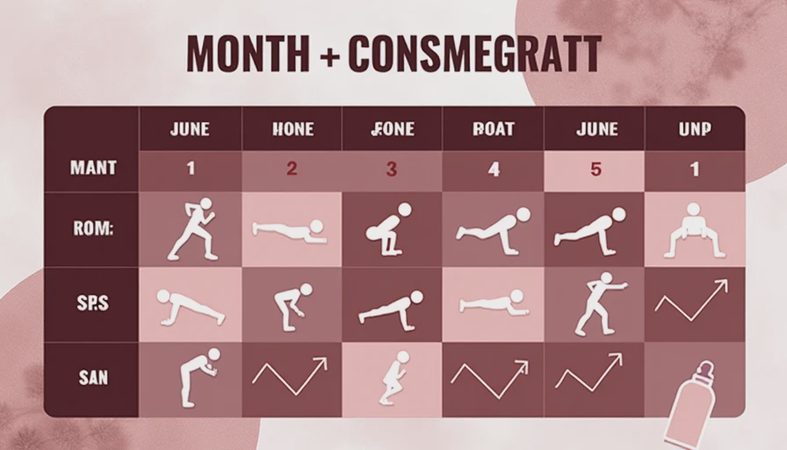
A useful schedule might be Monday, Wednesday, and Saturday. On Monday, complete the 15-minute routine. On Wednesday, repeat it with slower breathing and smaller movements. On Saturday, add a gentle walk afterward or practice a few mobility exercises for your upper back and hips. This gives you strength practice without making every workout feel like a major event.
If your schedule falls apart, use a five-minute version. Perform pelvic tilts, heel slides, and bridges for one round. Five minutes is not a failure or a substitute for a “real” workout; it is a way to preserve the habit on a crowded day. I have used this approach myself after late nights with my kids, and it beats waiting for a perfect hour that never appears.
What to buy and what to skip
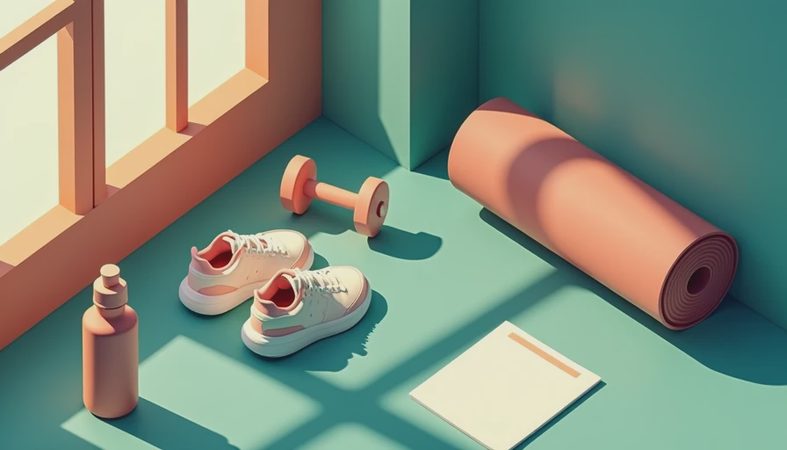
For mat Pilates for beginners, a basic exercise mat usually costs about $15 to $40. Look for enough cushioning to protect your spine and knees, but avoid a mat so soft that balancing becomes difficult. A small towel can support your head if your neck feels strained, and a folded blanket can make kneeling more comfortable.
You can skip expensive grip socks, specialized Pilates rings, ankle weights, and online equipment bundles at the start. Those tools can be useful later, but they do not create good technique. A phone or laptop is enough if you follow a class, and many people prefer silence so they can concentrate on breathing and alignment.
If you choose a video, look for an instructor who explains modifications and gives you time to set up. Avoid any class that promises a completely transformed body in a few days. A helpful instructor should make the workout adaptable for different bodies, ages, fitness levels, and energy levels.
What progress should look like
Progress in mat Pilates for beginners is not measured only by how high your leg lifts or how long you can hold a position. You might notice that you can get off the floor more smoothly, sit taller at your desk, or complete a bridge without your hamstrings cramping. You may also become better at noticing tension before it turns into discomfort.
After two or three weeks of regular practice, consider adding two repetitions to an exercise, extending a heel slide slightly, or holding a bridge for one additional breath. Change one variable at a time. That keeps the session manageable and helps you understand what your body is responding to.
Some days will feel coordinated, and some will feel awkward. That is normal, especially when you are learning to control small movements. Show up. Sweat a little. Come back. A calm, repeatable routine can take you much farther than an intense plan you dread opening. Start with your mat, one breath, and one carefully controlled movement today.
No comments yet — be the first to share a thought.