Walker posture matters more than most people realize. If the frame is too tall, too low, or too far in front of you, every step can feel awkward and tiring. The goal is not to stand perfectly straight like a soldier. It is to create a steady, comfortable position that lets your arms, legs, and core share the work. A few small adjustments can make moving through your kitchen, driveway, or grocery store feel much less intimidating.
I have coached many adults who were recovering from an injury, managing balance concerns, or simply rebuilding strength after too much time sitting. The same pattern shows up often: people focus on moving the walker, but not on how their body is positioned behind it. Let us fix that with practical steps you can use today.
What good walker posture looks like
Good walker posture begins with the frame close enough to support you without forcing you to lean forward. Stand inside the walker, not several inches behind it. Your shoulders should stay relaxed, your chest should be gently lifted, and your eyes should look ahead rather than straight down at your feet. Keep a soft bend in your elbows instead of locking them.
When the height is correct, the handgrips usually sit near the crease of your wrists while your arms rest naturally at your sides. When you grip the handles, your elbows should remain slightly bent. This position allows you to press down for support without shrugging your shoulders or rounding your upper back. Proper walker posture gives you a stable base while leaving room for your legs to step naturally.
You do not need to force your spine into a dramatic straight line. A comfortable, tall position is enough. Think “head over ribs, ribs over hips,” then let your breath stay easy. If you feel pain, dizziness, unusual weakness, or a sudden change in balance, pause and ask a physical therapist or medical professional for guidance.
Adjust the walker before you take a step
Before practicing, put on the shoes you normally wear around the house. Stand upright with the walker in front of you and ask someone to check the handgrip height if possible. Adjust both sides evenly. A walker that is too low often causes a deep forward lean and extra pressure through the wrists. One that is too high can make your shoulders creep upward and reduce your control.
Check the rubber tips, wheels, and folding joints as well. Worn tips can slide, while loose parts can make the frame feel unpredictable. If the walker has wheels, learn whether the brakes need to be squeezed, locked, or released before moving. Different models work differently, so read the manufacturer instructions rather than guessing.
Try this quick setup: stand with your toes just behind the rear legs, place both hands on the grips, relax your shoulders, and take two slow breaths. If you are reaching forward to touch the handles, bring the walker closer or have the height reviewed. This thirty-second check can prevent you from practicing a poor position for ten minutes.

The safest basic walking pattern
Once you have a comfortable walker posture, move the frame a short distance ahead. Do not push it so far that you have to lunge or lean. The frame should remain close enough that you can step into it with control. If you use a standard walker without wheels, lift it only as instructed by your clinician and place all four legs firmly before stepping.
For many people, the sequence is walker first, weaker leg next, then stronger leg. However, your prescribed pattern can differ depending on surgery, pain, strength, and the type of device. Follow the instructions you received from a physical therapist. Keep small steps at first. Large steps can place your feet outside the most stable area of the frame.
Avoid twisting while your feet are planted. Turn by taking several small steps, moving your whole body with the walker. When sitting, back up until you feel the chair against your legs, reach for the armrests, and lower yourself slowly. Do not pull on the walker to stand or use it as a substitute for a fixed handrail unless it is designed for that purpose.
Common mistakes that make walking harder
One frequent problem is pushing the walker too far ahead. That position encourages a rounded back and makes the device less useful when you need support. Another is looking at the floor for every step. It is fine to glance down when clearing an obstacle, but spending the entire walk staring at your shoes can make your neck tense and reduce awareness of what is ahead.
Some people also grip too tightly. A white-knuckle hold can fatigue the forearms and shoulders quickly. Use enough pressure to control the frame, then relax your fingers between steps. Others allow one side of the walker to travel farther than the other, which can subtly rotate the trunk. Move both sides together when your equipment and instructions call for that pattern.
Finally, do not rush because you feel embarrassed. Slow, repeatable movement is more useful than a fast walk that leaves you unstable. A clear path, good lighting, and supportive shoes matter just as much as walker posture.
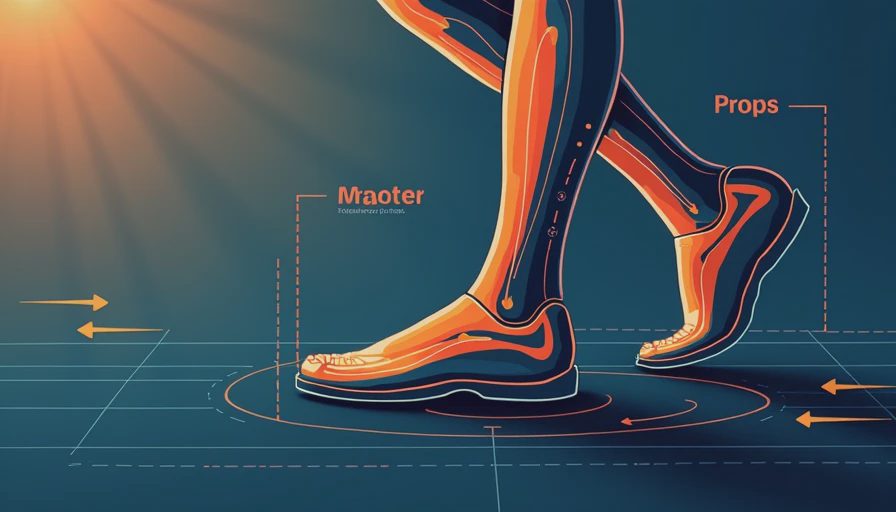
A simple five-minute practice routine
Practice in a quiet area with a sturdy chair nearby. First, spend one minute finding your tall, relaxed standing position. Check that your shoulders are down, your elbows are soft, and your gaze is forward. Next, take five short steps forward and stop. Reset your position instead of continuing if the walker gets too far away.
For the next minute, practice backing toward the chair and sitting with control. Then repeat five forward steps, followed by a gentle turn using small steps. Finish with two minutes of easy walking between two safe points, such as the kitchen counter and a chair. Rest whenever your arms or legs feel tired.
The purpose is not to test how far you can go. It is to make the sequence familiar. You might do this once in the morning and once later in the day, provided your care team has approved walking practice. Consistency builds confidence more effectively than one exhausting session.
When to get extra help
A physical therapist can evaluate your walker height, walking pattern, turns, stairs, and transfers. This is especially helpful if you keep leaning heavily to one side, experience repeated near-falls, or cannot place your feet safely within the frame. Ask whether your device matches your current strength and mobility; the right option can change as you recover.
Your home deserves a quick safety scan too. Move loose rugs, secure electrical cords, add brighter lighting, and keep frequently used items between waist and shoulder height. In the bathroom, a properly installed grab bar is generally more dependable than pulling on a towel rack. Give yourself a clear route before you start moving.
Good walker posture is not about looking athletic. It is about giving your body a dependable platform while you rebuild comfort and control. Set the equipment up carefully, keep it close, take smaller steps, and practice without rushing. Show up. Sweat a little. Come back.


No comments yet — be the first to share a thought.