If your upper back feels stiff after a day at a desk, in the car, or carrying kids around, t spine mobility is a useful place to start. The thoracic spine, often called the T-spine, is the middle section of your back between your neck and lower back. It needs enough movement to help you rotate, reach overhead, breathe comfortably, and maintain good positions during everyday tasks. You do not need to be flexible, athletic, or pain-free to begin. You need a few quiet minutes and a willingness to move gently.
Why T Spine Mobility Matters
Your thoracic spine is designed to rotate and extend, while your lower back is built more for stability. When the middle back stays in one position for hours, your neck, shoulders, and lower back may start doing extra work. That does not automatically mean something is damaged. It often means your body has found a way to get the job done with the movement available.
Improving t spine mobility can make simple actions feel smoother: turning to check a blind spot, reaching for a seat belt, putting dishes on a high shelf, or lifting a box from the floor. It can also help you set up more comfortably for strength exercises such as rows, goblet squats, and overhead presses. The goal is not to force your back into a dramatic stretch. The goal is to gradually give it more useful options.
Think of this as maintenance, not a test. A two-minute movement break repeated most days is more valuable than one punishing session every few weeks.
A 15-Minute T Spine Mobility Routine
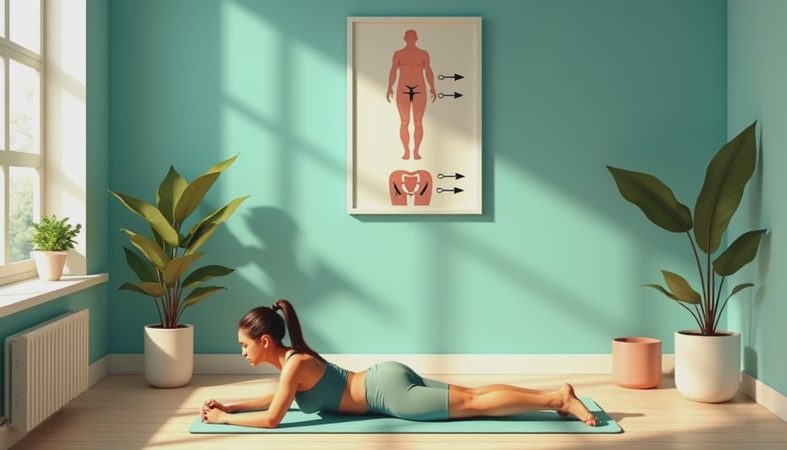
Start with five slow breaths while lying on your back with your knees bent. Let your ribs expand in all directions instead of lifting only your shoulders. This relaxed breathing helps reduce unnecessary tension before you ask your upper back to move.
Next, try open books. Lie on your side with your knees bent and arms straight in front of you. Keep your knees stacked as you sweep the top arm across your body, rotating your chest toward the ceiling. Follow your hand with your eyes only if that feels comfortable. Pause for one breath, then return slowly. Do six repetitions per side.
Move to quadruped rotation, sometimes called a thread-the-needle variation. Start on your hands and knees. Place one hand behind your head, rotate your elbow toward the floor, then rotate it toward the ceiling without shifting your hips dramatically. Complete six controlled repetitions per side. This drill combines rotation with a stable base, which makes it easier to notice where the motion is coming from.
Finally, sit on a sturdy chair for seated rotations. Keep both feet planted, cross your arms over your chest, and turn your rib cage to one side. Return to center before switching. Perform eight slow repetitions per side. This is an excellent office option because it requires no mat or equipment.
T Spine Mobility for Desk Workers and Busy Parents
The best routine is the one that fits into your actual day. If you work at a computer, use a natural transition as your reminder: after a video call, before lunch, or when you refill your water bottle. Stand up, take three breaths, and complete five seated rotations each direction. That takes less than two minutes and interrupts the long period of stillness.
If you are caring for children, try a floor-based version while they play nearby. Open books and hands-and-knees rotations can happen on a living-room rug. Keep the range small if your hips or knees dislike the position. You can also perform wall angels standing with your back near a wall, sliding your arms upward without forcing them to touch the wall.
For someone who drives frequently, do a brief sequence after parking rather than twisting aggressively while seated. Walk for a minute, then perform gentle standing rotations with your arms crossed. Never use mobility drills as an excuse to move while the vehicle is in motion.
Consistency beats intensity here. Put the routine next to something you already do, such as brushing your teeth or making coffee. I have seen busy adults make more progress with five minutes on four days than with an ambitious plan they abandon after one weekend.
Common Mistakes to Avoid
One common mistake is chasing a huge stretch. You may see videos where someone rotates dramatically or hangs over a foam roller, but a bigger shape is not automatically a better result. Stay within a range where you can breathe normally and control the return.
Another mistake is letting the lower back create the movement. During seated or quadruped rotations, keep your pelvis relatively steady and imagine turning your ribs. You do not need perfect stillness, but excessive hip shifting can hide the movement you are trying to practice.
Holding your breath is another clue that you are pushing too hard. Try a three-second exhale as you rotate and an easy inhale as you return. If the drill creates sharp pain, numbness, tingling, dizziness, or symptoms that travel into an arm or leg, stop. Mobility work should feel purposeful, not threatening. Persistent or worsening symptoms deserve evaluation from a qualified medical professional.
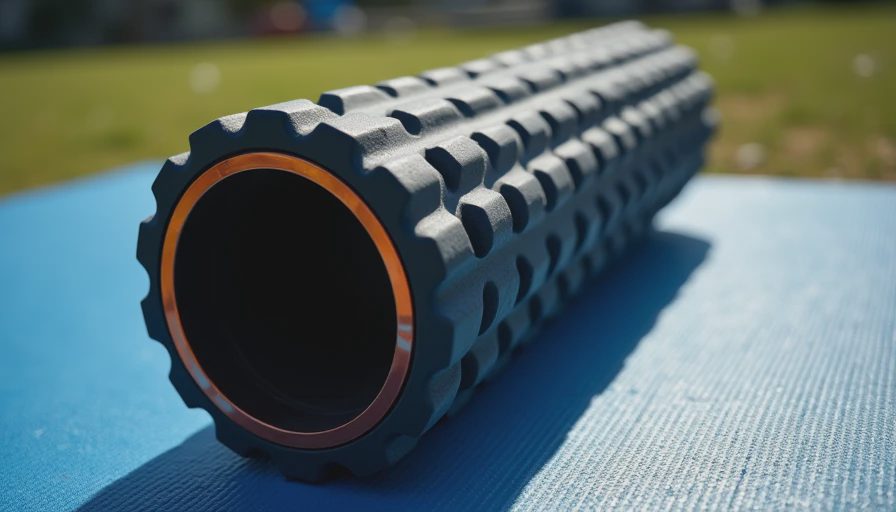
You also do not need expensive gear. A $20 to $40 foam roller can be useful for some people, but a folded towel and a comfortable floor are enough to start.

How to Progress Without Overdoing It
Use a simple three-step progression. First, practice the movements for one week with a small, comfortable range. Second, add one or two repetitions per side if your body feels normal afterward. Third, add a light challenge, such as performing standing rotations with a slow pause at the end of each repetition.
You can also pair t spine mobility with strength training. Before rows, perform six open books per side. Before an overhead press, practice five wall slides and a few easy breaths. After a workout, repeat seated rotations as a cool-down. The mobility drill should prepare you for training, not drain you before the main work begins.
A useful checkpoint is how you feel later that day and the next morning. Mild awareness or a gentle stretch can be normal. Soreness that changes how you move is a sign to reduce the range, lower the volume, or choose an easier variation. Progress is not measured by how far your elbow reaches. It is measured by smoother, more confident movement.
A Simple Weekly Plan
Try this schedule for two weeks. On Monday, Wednesday, and Friday, complete the full 15-minute routine. On Tuesday and Thursday, take two movement breaks and do five seated rotations each direction. On Saturday, combine a short walk with open books and wall slides. Sunday can be a rest day or an easy breathing session.
Track practical changes instead of chasing a perfect score. Can you turn to look over your shoulder with less hesitation? Does reaching overhead feel less cramped? Can you sit through a work meeting without constantly adjusting? Those are meaningful wins.
If you are new to exercise, start with five minutes. If you already train, use this work as preparation and recovery rather than another workout to conquer. T spine mobility is a long game, and it works best when it supports the life you are trying to live.
Show up. Sweat a little. Come back. That is enough for today.


No comments yet — be the first to share a thought.