Low impact strength training is for the person who wants to feel stronger without jumping, pounding, or pretending every workout needs to leave you wrecked. Maybe your knees complain on stairs, your back gets stiff after a desk-heavy day, or you simply have not exercised in years. That is not a character flaw. It is useful information. We can work with it.
As a coach, I have seen busy parents, beginners, and former athletes make steady progress with controlled exercises, sensible resistance, and short sessions. The goal is not to win a punishment contest. The goal is to build strength you can use while carrying groceries, getting off the floor, or playing with your kids. Show up. Sweat a little. Come back.
What low impact strength training actually means
Low impact does not mean effortless. It means at least one foot usually stays connected to the floor, and the workout limits hard landings, repeated jumping, and abrupt changes of direction. Strength training means your muscles work against resistance. That resistance can come from dumbbells, resistance bands, a backpack filled with books, or your own body weight.
A slow squat to a chair can challenge your legs more than a rushed set of jump squats. A wall push-up can train your chest, shoulders, and arms while letting you adjust the angle. A suitcase carry with one grocery bag can train your grip and core. These are ordinary movements, but ordinary movements are exactly what many adults need to practice.
The intensity should feel purposeful, not scary. During a set, you should generally have a few good repetitions left before your form changes. You might feel your muscles working and your breathing pick up, but sharp pain, numbness, dizziness, or joint instability is a reason to stop and get professional guidance.
A 15-minute beginner workout
You need a sturdy chair, a wall, and enough floor space to extend your arms. Start with two easy minutes of marching in place, shoulder circles, and gentle hip hinges. Then move through the following exercises slowly. Rest for about 30 to 60 seconds between movements, and complete one or two rounds.
Begin with eight to twelve chair squats. Sit back until you lightly touch the chair, then stand by pressing through your whole foot. The chair gives you a target and helps you control depth. Next, do eight to twelve wall push-ups. Place your hands on the wall slightly wider than your shoulders, keep your body in one long line, and bend your elbows at a comfortable angle.
Add eight step-back taps per side. Hold the chair if balance is uncertain, step one foot back, lightly tap the floor, and return to standing. Follow with ten glute bridges on the floor or on a firm bed. Squeeze your glutes as you lift your hips, but do not force your lower back to arch. Finish with a 20-second farmer hold using two light household objects, such as water bottles.
This simple low impact strength training circuit covers squatting, pushing, stepping, hip extension, and carrying. Those patterns matter more than fancy equipment. If 15 minutes feels like too much, do one round after brushing your teeth or before your evening shower. Consistency beats a heroic workout that happens once.
How to make the exercises harder safely
Progress does not require jumping from five-pound weights to a complicated gym program. First, improve control. Take three seconds to lower into a chair squat, pause briefly, and stand smoothly. Then add repetitions within a reasonable range. Once twelve repetitions feel steady, increase resistance slightly with a dumbbell, band, or backpack.
You can also progress by reducing support. A wall push-up can become a countertop push-up, then a push-up from a sturdy bench. Step-back taps can become supported reverse lunges, with a shallow range of motion at first. For carries, walk slowly through a hallway instead of standing still, keeping your shoulders level.
Change only one variable at a time. More weight, more repetitions, less support, and more range of motion are separate dials. Turning all of them at once makes it difficult to tell whether your body is adapting or simply irritated. A useful low impact strength training plan feels challenging during the session and manageable the next day.
A weekly plan for busy adults
Three short sessions per week is a strong starting point. On Monday, complete the circuit with chair squats, wall push-ups, bridges, and carries. On Wednesday, repeat it but use slower lowering phases and an extra rest period. On Friday, add step-back taps and practice standing from a low chair if that feels comfortable.
On the days between, take a 10- to 20-minute walk, move through gentle mobility exercises, or simply break up long periods of sitting. You do not need to turn every day into a fitness appointment. Five minutes of walking after lunch can be a useful reset, especially for desk workers.
Keep a small record of the date, exercises, resistance, and how each movement felt. A note such as “two rounds, eight-pound dumbbells, knees felt good” gives you better information than judging the workout by sweat. After three or four weeks, you may notice that stairs feel less demanding, bags feel lighter, or getting up from the floor takes less planning.

Common mistakes and simple fixes
The first mistake is moving too quickly. Speed can hide balance problems and shift work into joints instead of muscles. Use a slower tempo and pause when you need to find your position. The second mistake is choosing a range of motion that looks impressive but feels unstable. A shorter, controlled squat is productive; forcing depth is not required.
Another common issue is holding your breath. Exhale during the harder part of a lift and inhale as you return, while avoiding long breath-holding, especially if you have a medical condition. Finally, do not use soreness as your scoreboard. You can build strength without being unable to sit down the next morning.
Low impact strength training should be adjusted around your actual life. If you slept poorly, use less resistance. If a wrist hurts during wall push-ups, try a higher surface or a neutral-grip dumbbell press only if it feels comfortable. Persistent pain deserves an evaluation from a qualified health professional rather than a tougher workout.
When equipment is worth buying
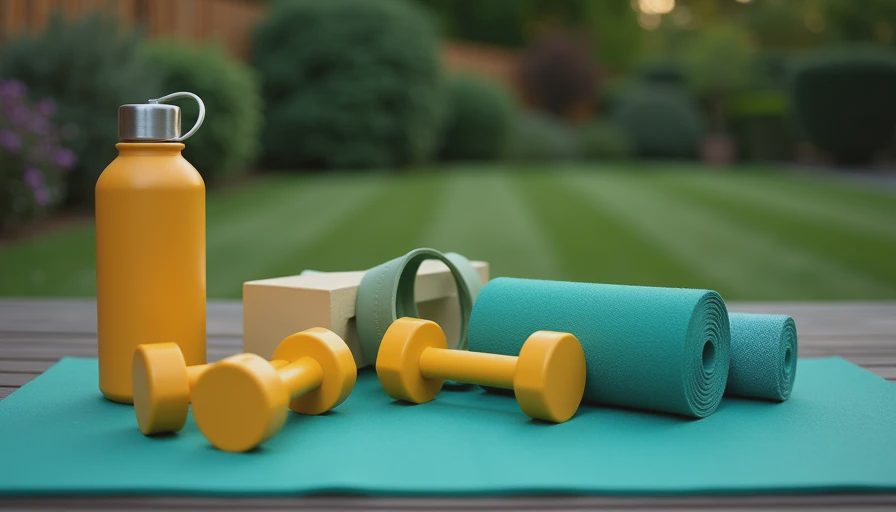
You can make progress with no equipment, but a few inexpensive tools can expand your options. A pair of adjustable dumbbells often costs more upfront, yet they take less space than a rack of fixed weights. A long resistance band is useful for rows, presses, and assisted movements. A stable step can help with low step-ups, although a household chair should be sturdy and placed on a non-slip surface.
You do not need a high-end treadmill, mirror, or subscription before you begin. If you enjoy guided workouts, a livestream class can provide structure and the feeling that someone is paying attention to your form. Look for an instructor who offers modifications, explains why a movement matters, and does not treat pain as proof of commitment.
That is the heart of low impact strength training: enough challenge to create adaptation, enough flexibility to keep you participating, and enough patience to let progress accumulate. Start with one round today. Next week, come back for two. Your body does not need a dramatic reset. It needs a repeatable reason to move.
Final takeaway
Low impact strength training can help beginners build practical strength while respecting sore joints, limited time, and real-life energy levels. Use a chair, wall, band, or light weights; move with control; and progress gradually. If you can give this routine 15 minutes three times a week, you have a solid foundation.
There will be busy days and missed sessions. That does not erase your work. Return to the next manageable step, make the workout fit the day, and keep the standard simple: show up, sweat a little, and come back.

No comments yet — be the first to share a thought.