If you sit at a desk, drive for work, chase kids, or spend evenings folded into the corner of a couch, you have probably noticed tightness at the front of your hips. Finding the best stretch for hip flexors is not about forcing your body into a dramatic pose. It is about using a position you can control, breathing normally, and giving stiff muscles a little more room to do their job.
Your hip flexors help lift your thigh, stabilize your pelvis, and connect your lower body to your trunk. They are not automatically “bad” because they feel tight. Often, they simply spend a lot of time in one shortened position. A few thoughtful minutes can help you move more comfortably, especially before a walk, strength workout, or long day on your feet.
Why hip flexors feel tight in the first place
The hip flexors include several muscles, including the psoas, iliacus, rectus femoris, and sartorius. They work when you climb stairs, stand from a chair, jog, or bring your knee toward your chest. Sitting does not permanently shorten them, but it does keep the hips bent for long stretches while other muscles stay relatively quiet.
That is why standing up after a two-hour movie can feel like your first few steps belong to somebody else. Limited hip extension can also make it harder to squeeze your glutes during a bridge or keep your ribs stacked over your pelvis during a lunge. Stretching is one useful tool, but regular walking, strength training, and changing positions throughout the day matter too.
The best stretch for hip flexors should create gentle tension at the front of the back-leg hip without causing a pinch in the front of the joint. If you feel a sharp sensation, numbness, tingling, or pain that travels down the leg, stop and choose a different movement. Stretching should feel productive, not like a test of toughness.
The half-kneeling hip flexor stretch
For most beginners, the half-kneeling hip flexor stretch is the best stretch for hip flexors because it is simple, adjustable, and easy to perform without equipment. You need a soft surface under the knee and about one square yard of floor space.
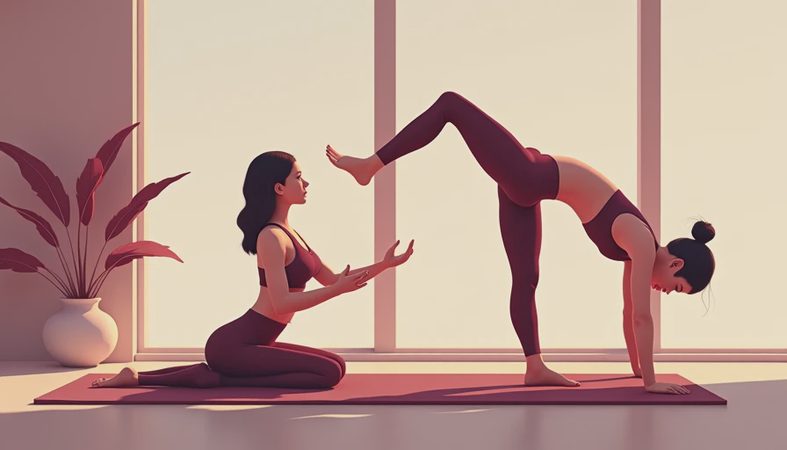
Start by kneeling on your right knee with your left foot flat in front of you. Set your front knee roughly over your ankle. Before you move, gently tuck your pelvis as if you were bringing your belt buckle toward your ribs. This small adjustment keeps you from dumping your lower back forward to create the illusion of a bigger stretch.
Now shift your whole body forward a few inches while keeping your torso tall. You should feel a mild pull through the front of the right hip and possibly down the front of the thigh. Hold for 20 to 30 seconds, breathe slowly, and repeat on the other side. Complete two rounds per side.
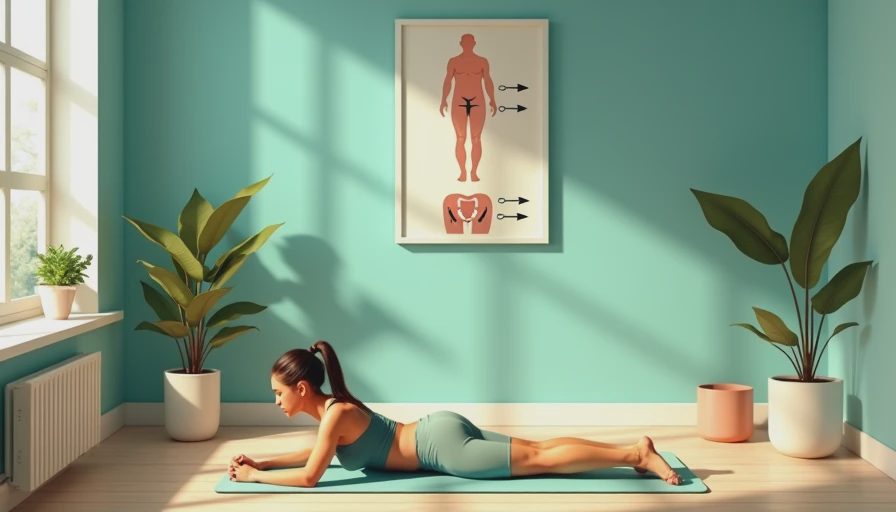
A useful coaching cue is to imagine headlights on your hip bones pointing straight ahead. Many people rotate the pelvis or let the front knee collapse inward when they get tired. Keep the movement small enough that you can maintain control. More distance is not automatically more benefit.
Three adjustments that make the stretch work better
First, squeeze the glute on the kneeling side lightly. The glute helps extend the hip, so this gives the stretch a clearer purpose and keeps the lower back from doing all the work. You do not need a maximal contraction; think of a firm but relaxed squeeze.
Second, keep your ribs gently down. If your ribs flare upward, you may arch your back and lose the position. Exhale as you shift forward, then inhale quietly while holding the stretch. This is a simple way to keep your trunk organized without overthinking your anatomy.
Third, add the arm only if the basic version feels comfortable. Reach the arm on the kneeling side overhead and lean slightly away from that side. This can include the side of your trunk and upper thigh, but it should not turn into a deep side bend. If the overhead version creates back discomfort, return your hand to your hip.
You can also place your front foot on a low step or yoga block if getting down to the floor is difficult. A firm couch beside you can help with balance. The best stretch for hip flexors is the one you can perform consistently with calm breathing and steady alignment.
When to use this stretch during your day
Try the stretch after five minutes of easy movement rather than using it as a cold, aggressive start. Walk around your home, march gently in place, or perform a few slow bodyweight squats first. Warm muscles generally tolerate movement more comfortably than muscles that have been still for hours.
Before exercise, hold each side for about 15 to 20 seconds and then follow it with active movements, such as alternating reverse lunges or controlled leg swings. Long static holds are often more useful after training or during a separate mobility session. You do not need a complicated routine. Two rounds in the morning, after work, or before bed can fit into a busy schedule.
If you spend much of the day sitting, pair the stretch with a practical habit: stand during one phone call, walk for two minutes after lunch, or keep your water bottle across the room. These small interruptions reduce the amount of time your hips stay in the same position.
Add strength so mobility lasts
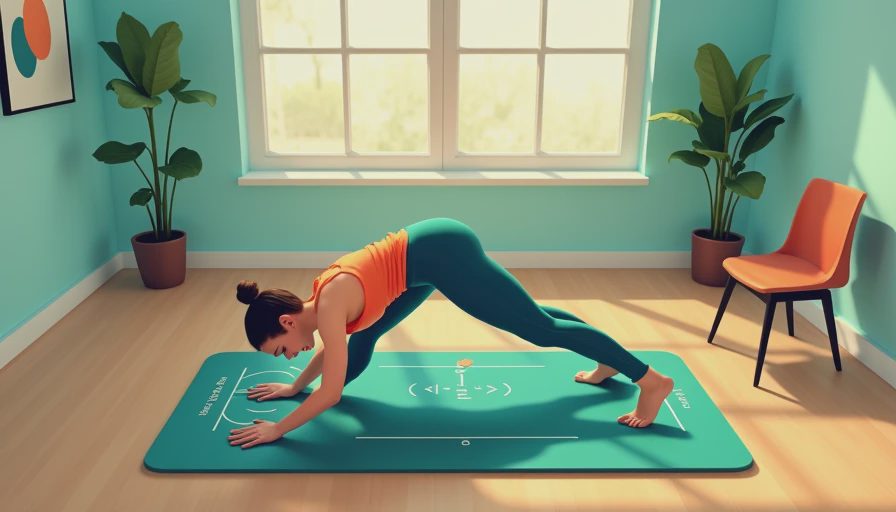
Stretching can temporarily improve how a joint feels, but strength helps you control the range you have gained. After the best stretch for hip flexors, try eight to ten glute bridges. Lie on your back with your feet flat, press through the floor, and lift your hips without arching your lower back. Pause briefly at the top, then lower with control.
You can also practice a supported split-stance hold. Stand near a countertop, step one foot back, and bend both knees slightly. Keep your pelvis level while pressing through the front foot. This teaches your body to use hip extension while standing, which is more relevant to walking and climbing stairs than simply relaxing into a stretch.
For a short routine, complete two rounds of the half-kneeling stretch, glute bridges, and a five-minute walk. The whole session can take less than 15 minutes. It will not transform your posture overnight, and it does not need to. Repeated, manageable practice is what makes movement feel more familiar.
Common mistakes and when to get help
The biggest mistake is chasing intensity. Bouncing, forcing the hips forward, or holding your breath can make a stretch feel dramatic while giving you less control. Another mistake is stretching only one side because it feels tighter. Start with the same amount of time on both sides, then give the stiffer side one additional gentle round if it responds well.
Hip tightness is not always a flexibility problem. Pain in the groin, a catching sensation, significant weakness, or symptoms that persist despite reducing activity deserve attention from a physical therapist or qualified medical professional. A professional can distinguish muscle tension from an irritated joint, tendon, or nerve and help you choose appropriate exercises.
For everyday stiffness, begin with the best stretch for hip flexors, keep the range modest, and notice how you feel later that day. You are looking for easier walking, standing, and lunging—not a record-setting pose. Show up. Sweat a little. Come back.
No comments yet — be the first to share a thought.