A high protein grocery list can make eating well feel less like a daily negotiation. You do not need a refrigerator packed with identical chicken breasts, a stack of expensive supplements, or a meal-prep Sunday that takes four hours. You need a few dependable foods you will actually eat, plus simple combinations that work on a busy Tuesday.
Protein helps support muscle repair and recovery, especially when you are doing resistance training, walking more, or returning to exercise after a long break. It also makes meals more satisfying. That does not mean every meal needs to be perfect. Think of this list as a set of building blocks you can mix and match around your real schedule.
Start with protein you will actually use
The best high protein grocery list starts with convenience, not food purity. Buy foods that fit your cooking skills, available time, and budget. Plain Greek yogurt, cottage cheese, eggs, canned tuna, canned salmon, rotisserie chicken, and frozen shrimp can all provide useful protein without complicated preparation.
For plant-based choices, look for beans, lentils, edamame, tofu, tempeh, and higher-protein pasta made from chickpeas or lentils. Canned beans are completely acceptable; rinse them under cool water if you want to reduce some of the added sodium. A bag of frozen edamame can go from freezer to microwave in minutes and works in bowls, salads, or alongside scrambled eggs.
Keep a few shelf-stable options on hand too. Tuna or chicken packets, roasted chickpeas, powdered milk, and shelf-stable protein shakes can rescue lunch when meetings run long. These foods are not magic, but they are useful tools. A practical food you eat beats an ideal food that stays unopened in the refrigerator.
Build a balanced cart around five categories
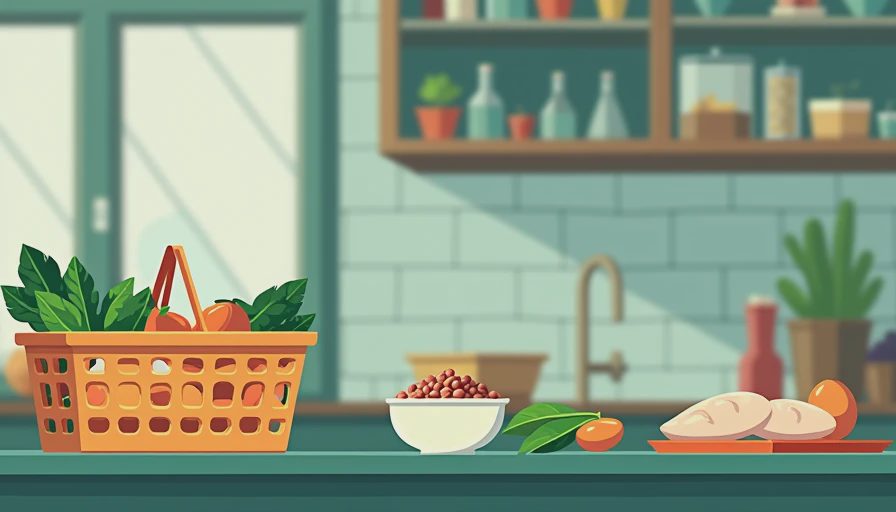
Use the high protein grocery list as a framework rather than a strict prescription. First, choose two or three lean animal proteins such as chicken thighs, turkey, eggs, salmon, or lean ground beef. Chicken thighs are often cheaper and more forgiving than chicken breast, while salmon provides protein along with healthy fats. Ground turkey can become tacos, pasta sauce, or quick skillet bowls.
Next, add dairy or dairy-free protein foods. Greek yogurt works at breakfast, as a snack, or as the base for a creamy sauce. Cottage cheese can be eaten with fruit, blended into a dip, or stirred into scrambled eggs. If dairy does not work for you, choose unsweetened soy milk or tofu and check labels for a reasonable protein amount.
Then add carbohydrates that make meals satisfying: oats, potatoes, brown rice, whole-grain tortillas, quinoa, and whole-wheat pasta. Add colorful produce in forms you can manage. Fresh spinach is convenient for eggs, frozen broccoli keeps for weeks, baby carrots need no chopping, and bagged salad can turn a leftover protein into dinner.
Finally, choose flavor helpers. Salsa, pesto, low-sodium soy sauce, hummus, taco seasoning, garlic, lemons, and hot sauce keep the same basic foods from tasting repetitive. Good nutrition should still taste like lunch.
A realistic one-week shopping example
Here is how a high protein grocery list might look for one adult who wants flexible meals: a dozen eggs, one large container of Greek yogurt, cottage cheese, two pounds of chicken thighs, one pound of lean ground turkey, a package of salmon portions, canned tuna, black beans, lentils, edamame, and a small pack of tortillas. Add oats, potatoes, rice, frozen vegetables, berries, apples, salad greens, and two sauces you enjoy.
That cart can become oatmeal with Greek yogurt, eggs with toast, chicken and rice bowls, turkey tacos, salmon with potatoes, lentil soup, tuna wraps, and bean-and-cheese quesadillas. Notice what is missing: seven separate recipes and a demand that you eat the same meal every day. Cook one protein in a larger batch, then change the seasoning or serving style later.
For example, roast chicken with olive oil, garlic, and paprika. Serve it with potatoes on Monday, tuck it into a tortilla with salsa on Wednesday, and add it to a salad on Friday. The ingredients repeat, but the meals do not have to feel identical.
Make protein easier on busy mornings
Breakfast is where many people lose momentum, particularly when the morning includes school drop-off, a long commute, or a 7:30 meeting. A high protein grocery list should include at least two breakfasts that require almost no thought.
Try Greek yogurt with oats, berries, and peanut butter; two eggs with whole-grain toast and fruit; or a smoothie made with milk, yogurt, frozen fruit, and optional protein powder. You can also prepare egg muffins with spinach and shredded cheese on a weekend. Store them in the refrigerator for a few days and reheat them in the microwave.
Protein powder is optional, not mandatory. If you use it, treat it as a convenience ingredient rather than a replacement for every meal. Compare serving sizes and choose a flavor you will finish. A shake can help after a workout or during a rushed afternoon, but regular foods still provide variety, fiber, and other nutrients.
Keep the budget under control
Protein does not have to mean a large grocery bill. Eggs, dry lentils, canned beans, milk, peanut butter, canned tuna, and family-size tubs of yogurt often cost less per serving than individual snack products. Compare unit prices instead of assuming the premium package is better.
Buy frozen chicken, fish, vegetables, and fruit when fresh items are expensive or likely to spoil. Look for sales on ground meat and freeze it in one-pound portions. A grocery store rotisserie chicken can be useful if you use the meat in several meals, then save the bones for stock if that fits your routine.
Be careful with protein bars. They can be handy in a backpack or desk drawer, but many cost several dollars each and taste more like candy. Keep a few for emergencies, while relying on yogurt, eggs, beans, and leftovers for the foundation of your meals.
Turn the list into a routine you can repeat
The high protein grocery list works best when you connect it to a small weekly system. Before shopping, check your refrigerator and choose two dinners, two lunches, and two quick breakfasts. You do not need to plan every bite. Just remove the guesswork from the meals most likely to derail you.
When you get home, wash easy-to-grab produce, place yogurt and eggs where you can see them, and cook one batch of protein. Put leftovers in clear containers so they do not disappear behind condiments. Keep one emergency meal available, such as tuna with crackers, frozen edamame with rice, or a bean-and-cheese burrito.
If you are starting strength workouts, pair this food routine with a manageable training schedule. Two short full-body sessions each week can be a strong beginning. Eat enough overall, drink water, and give yourself permission to have meals that are simply convenient. Consistency grows from plans that survive busy weeks, not from rules that collapse after one imperfect day.
A useful grocery cart is one that supports the person you are today. Choose protein sources you like, include foods that make meals enjoyable, and leave room for flexibility. Show up. Sweat a little. Come back.




No comments yet — be the first to share a thought.