High protein salad recipes are useful when you want a lunch that feels fresh but does not leave you searching the pantry an hour later. The goal is not to eat a tiny bowl of leaves and call it discipline. A satisfying salad needs a protein anchor, enough carbohydrates for energy, some fat for flavor, and produce that gives the meal texture. That combination supports regular training and ordinary busy days without turning lunch into a math project.
As a coach, I have watched plenty of people overcomplicate eating well. They buy a beautiful container of greens, skip the chicken or beans, and then feel frustrated when hunger arrives before the next meeting. A better approach is to build a repeatable formula. Start with two or three handfuls of vegetables, add 25 to 35 grams of protein when practical, include a filling carbohydrate, and finish with a dressing you genuinely enjoy.
The Simple Formula Behind a Filling Salad
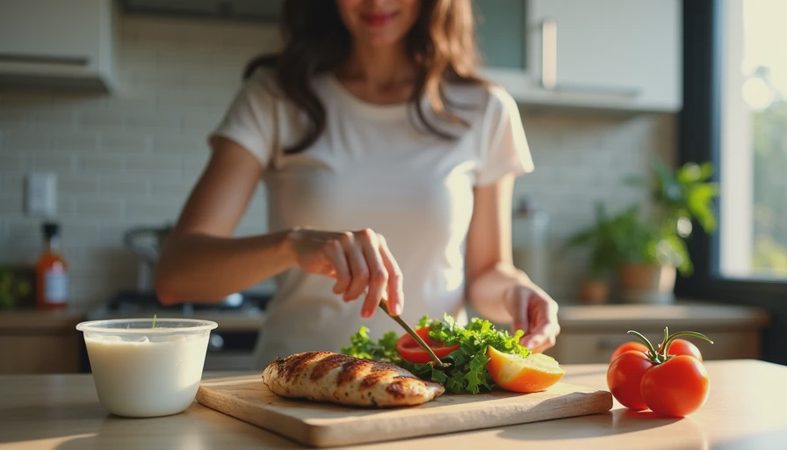
Think of your bowl as four parts. First comes the base: romaine, spring mix, spinach, kale, cabbage, or a combination. Romaine and cabbage hold up well for meal prep, while spinach is softer and quick to eat. Next, choose a main protein. Three ounces of cooked chicken, a can of tuna, two eggs plus Greek yogurt, or a cup of lentils can all work.
The third part is the energy piece. Add half a cup of cooked quinoa, brown rice, corn, roasted potatoes, whole-grain pasta, or a slice of crusty bread on the side. Carbohydrates are not a mistake, especially if you walk, lift, chase children, or simply have a long afternoon ahead. Finally, add flavor and staying power with avocado, olive oil dressing, feta, pumpkin seeds, or a spoonful of hummus.
This formula is why high protein salad recipes can fit different preferences. A meat eater can use turkey or salmon, a vegetarian can use chickpeas and cottage cheese, and someone with five minutes can use a rotisserie chicken from the grocery store.
Five Combinations That Actually Feel Like Lunch
A chicken fajita salad starts with chopped romaine, leftover chicken, black beans, corn, tomatoes, and sliced peppers. Add a small handful of tortilla strips and use salsa mixed with plain Greek yogurt as the dressing. The beans and chicken bring substance, while the salsa keeps the bowl from tasting like standard meal-prep food.
For a Mediterranean bowl, combine tuna or grilled chicken with cucumbers, tomatoes, white beans, red onion, olives, and feta. Whisk lemon juice, olive oil, garlic, and dried oregano in a jar. If you are watching the salt in packaged tuna or olives, rinse the beans and use less added salt rather than removing every flavorful ingredient.
An egg and edamame salad works well for a meatless lunch. Use mixed greens, two chopped eggs, shelled edamame, shredded carrots, cucumber, and sesame dressing. Edamame adds a useful protein boost and a pleasant bite. You can make the eggs ahead of time and keep them refrigerated for a quick grab-and-go meal.
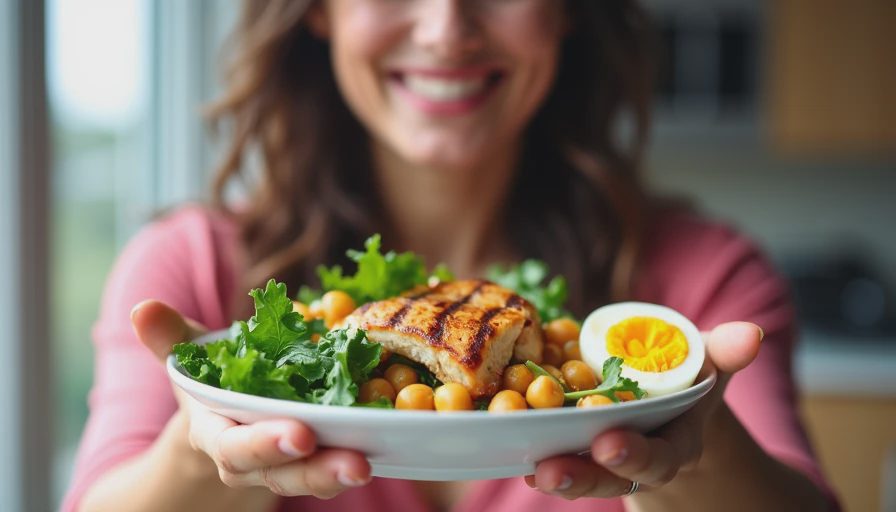
A barbecue turkey salad is a good answer when you want something familiar. Toss greens with sliced turkey, roasted sweet potato, black beans, and a little shredded cheese. Use barbecue sauce blended with Greek yogurt for a creamy dressing. The sweet potato provides a soft contrast to crisp greens, and the beans help turn deli turkey into a more complete meal.
For high protein salad recipes that do not depend on meat, try crispy chickpeas, baked tofu, lentils, cottage cheese, or tempeh. Roasted chickpeas are crunchy but can be dry alone, so pair them with avocado or a tahini-lemon dressing. Cottage cheese may sound unusual in a salad, but it works especially well with cucumber, tomatoes, pepper, and herbs.
How to Prep Without Eating the Same Bowl All Week
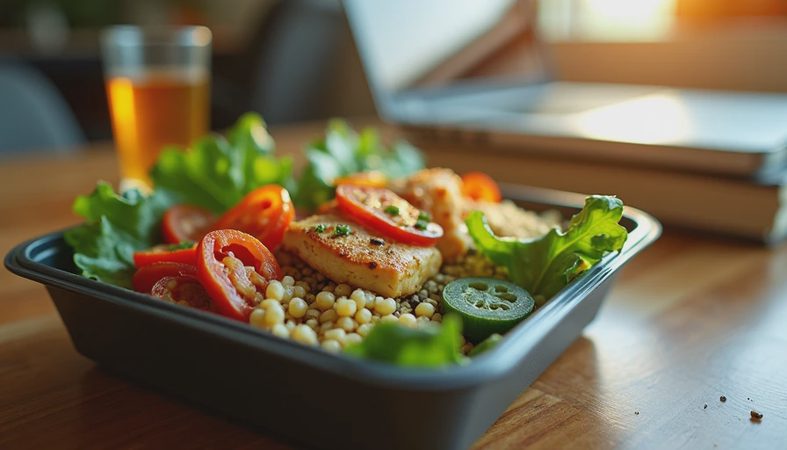
Meal prep fails when every ingredient is mixed together on Sunday. Greens become limp, cucumbers release water, and dressing turns the whole container into a tired puddle. Keep components separate instead. Store cooked protein in one container, washed produce in another, and dressing in a small jar. Assemble each bowl when you are ready to eat.
Cook one neutral protein, such as chicken breasts, turkey meatballs, hard-boiled eggs, tofu, or lentils. Then change the flavor at serving time. Lemon and oregano make a Mediterranean bowl; salsa and cumin create a Southwest version; mustard and vinegar give you a sharper, deli-style lunch. One batch of chicken can therefore support several high protein salad recipes instead of producing five identical meals.
A practical prep session can take about 30 minutes. Roast a sheet pan of potatoes and vegetables, boil eggs while the oven runs, and portion beans or grains from pantry staples. Buy prewashed greens if washing produce is the step that keeps you from preparing anything. Convenience is not a character flaw; it is a tool for making the better choice easier.
Dressing, Portions, and the Hunger Test
Dressing is not something you need to fear. A salad with no flavor is not a sustainable plan. Start with one or two tablespoons, toss thoroughly, and add more if needed. A simple vinaigrette uses olive oil, vinegar or lemon juice, mustard, salt, and pepper. Greek yogurt can replace part of the oil in ranch-style or herb dressings, while hummus thinned with water makes a fast creamy option.
Portions should match your day. A smaller salad may be enough alongside soup or a sandwich, while a person coming home from a strength workout may need a larger serving of potatoes, rice, beans, or bread. If you are hungry again soon, increase the protein or carbohydrate next time instead of blaming yourself for having an appetite. High protein salad recipes work best when they are generous enough to meet your actual needs.
Here is a useful test: two hours after lunch, ask whether you feel comfortably satisfied, distracted by hunger, or uncomfortably full. Adjust one ingredient at the next meal. Add chicken, beans, or tofu if protein was light. Add grains or fruit if the meal lacked energy. Use less dressing or cheese if the bowl felt heavy. Small changes teach you more than rigid rules.
A Five-Minute Assembly Plan
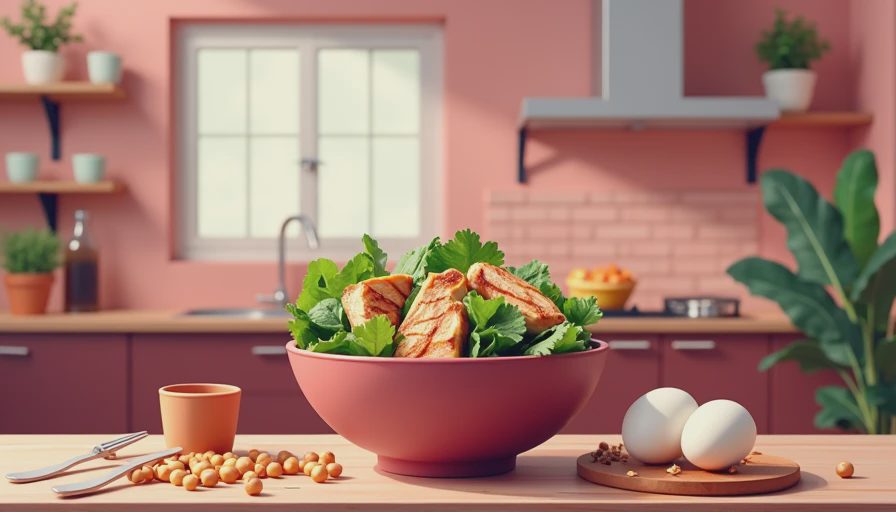
When the day gets away from you, use a shortcut bowl. Open a bag of greens, add a pouch of tuna or leftover cooked chicken, drain a can of chickpeas, and throw in cherry tomatoes. Add microwaveable brown rice or a piece of whole-grain toast if you need more staying power. A bottled dressing is completely reasonable; look for one you like and portion it into the bowl rather than pouring directly from the bottle.
You can also keep emergency ingredients at work or home: tuna packets, roasted nuts, shelf-stable beans, microwave rice, pumpkin seeds, and single-serve hummus. These items do not create a perfect restaurant salad, but they can prevent the drive-through decision made when you are exhausted and starving. High protein salad recipes should make life easier, not require a Sunday afternoon of culinary ambition.
Make the Habit Sustainable
Choose two combinations you enjoy and repeat them before adding more variety. For example, make chicken fajita salad on Monday and tuna Mediterranean salad on Wednesday. Use leftovers for the other days. Once those meals feel automatic, experiment with salmon, shrimp, tofu, lentils, or roasted beef. Variety is helpful, but consistency is what turns a recipe into a habit.
You do not need to earn lunch through a hard workout or remove your favorite foods to make a salad worthwhile. Eat enough, season the food, and notice how it supports your afternoon. If a bowl leaves you cold, change the texture or temperature: add roasted vegetables, warm grains, toasted seeds, or crunchy cabbage. The best high protein salad recipes are the ones you will prepare again when nobody is watching.
This is everyday nutrition, not a six-week transformation challenge. Start with one dependable bowl, prep one protein, and keep a backup option nearby. Show up. Sweat a little. Come back.
No comments yet — be the first to share a thought.