If you have ever carried two overloaded grocery bags from the car, you already understand the basic idea behind farmers carry benefits. You pick up a weight in each hand, stand tall, and walk with control. There is no complicated choreography, no jumping, and no need to spend an hour at the gym. Done consistently, this simple exercise can help you build useful strength for daily life.
As a coach, I like movements that explain themselves. A farmers carry trains you to brace your trunk, control your shoulders, use your hands, and move your feet at the same time. That combination is why farmers carry benefits reach far beyond your forearms. It is a practical strength exercise for busy adults, beginners, and experienced lifters who want a straightforward challenge.
What makes the farmers carry so effective
The exercise looks easy because the movement pattern is simple. The work begins as soon as you lift the weights. Your grip has to hold them, your upper back has to keep your shoulders organized, and your abdominal muscles have to keep your ribs and pelvis from drifting apart. Your legs and hips then carry you forward one careful step at a time.
One of the most useful farmers carry benefits is improved bracing. Bracing means creating enough tension around your midsection to keep your spine stable while your arms and legs move. You are not trying to suck in your stomach or clench every muscle in your body. Instead, imagine preparing for a gentle bump while still breathing normally.
That skill transfers to lifting a laundry basket, carrying a suitcase, walking with a toddler, or moving a box across the garage. The exercise does not promise a magical transformation, but it gives your body repeated practice handling an everyday demand.

Farmers carry benefits for grip, posture, and balance
Grip strength is the first improvement many people notice. Your hands and forearms work continuously while you walk, which can make opening jars, holding a heavy pan, or carrying shopping bags feel less demanding. If your grip is the limiting factor, use lighter weights and shorter walks rather than letting the dumbbells slip from your fingers.
Posture is another reason people explore farmers carry benefits. A well-performed carry encourages you to stand tall without leaning backward or hiking one shoulder. Keep your chin level, let your arms hang naturally, and look at a point several feet ahead. This is not a military march. It should look quiet and controlled.
Balance also gets a useful challenge. Each foot has to accept your body weight while both hands are loaded. Walking slowly exposes wobbles that you can ignore during a seated exercise. Start near a clear wall or open stretch of floor, especially if you are new to loaded carries.
How to perform a farmers carry safely
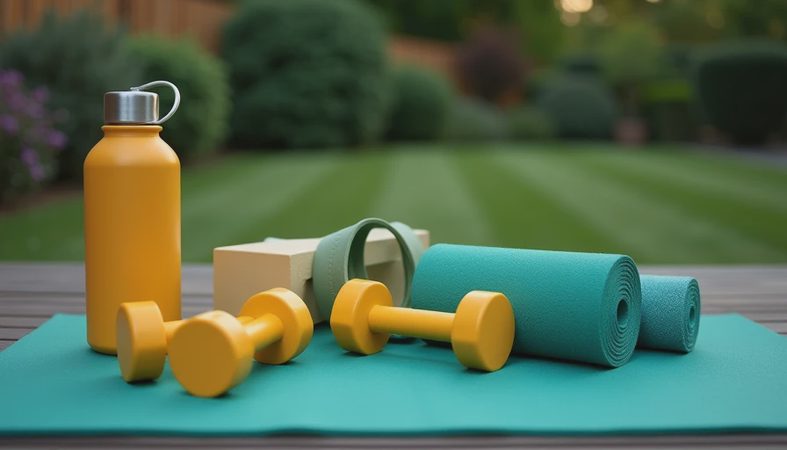
Choose two dumbbells, kettlebells, or other stable weights that you can hold without twisting. A pair of 10- to 20-pound dumbbells is plenty for many beginners. Stand with the weights outside your feet, hinge at your hips, bend your knees, and pick them up with a flat back. Once standing, pause before taking your first step.
Now walk slowly for 20 to 40 seconds. Keep your ribs stacked over your hips, shoulders relaxed, and elbows straight. Take short steps instead of reaching far in front of yourself. Breathe behind the brace: a calm inhale, a steady exhale, and no breath-holding contest.
Set the weights down by reversing the pickup pattern. Hinge first, bend your knees, and place the weights gently on the floor. Dropping them can damage equipment and encourages sloppy fatigue. Perform two or three rounds with about 60 to 90 seconds of rest between rounds.
The best farmers carry benefits come from repeatable technique, not from selecting the heaviest dumbbells in the room. If your torso leans, your shoulders shrug, or your steps become hurried, the load is too heavy for that set.

Beginner variations that fit a busy schedule
You do not need a fully equipped gym to train this pattern. Two loaded backpacks can work if the contents are secured and the bags are comfortable to hold. A pair of grocery bags filled with cans can create a useful starting point, although check the handles before walking. Even a short trip down a hallway and back can be enough for a first session.
For a lighter option, try a suitcase carry. Hold one weight in one hand and keep your torso from leaning toward or away from it. Switch sides after each round. This version creates an uneven challenge and teaches you to resist side bending. Because the load is on one side, use less weight than you would for a two-handed carry.
You can also use a rack carry, holding dumbbells near your shoulders, but I would not start there if your wrists or shoulders feel cranky. The basic carry gives you more room to learn the breathing and walking pattern first.
A simple 15-minute strength routine
Start with two minutes of easy movement, such as marching in place, shoulder circles, and slow bodyweight squats. Then complete three rounds of a 30-second farmers carry, eight controlled sit-to-stands, and six to eight incline pushups against a sturdy countertop. Rest for about one minute between rounds.
This routine gives you a lower-body pattern, a pushing pattern, and loaded walking without turning the session into punishment. If 30 seconds feels long, use 15 seconds. If you have only one dumbbell, perform suitcase carries and change hands each round. Consistency matters more than making the workout look impressive.
Track one simple detail after each session: the weight, walking time, or number of rounds. When all three rounds feel steady for two workouts, add five seconds or a small amount of weight. Make one change at a time so you know what your body is responding to.
Common mistakes that reduce the benefits
The most common mistake is chasing distance while losing position. A person may start with a proud chest, then lean backward, shrug hard, and rush the final steps. Stop the set before that happens. Strength improves when your body practices good positions under manageable stress.
Another mistake is treating the carry like a grip-only exercise. Your hands matter, but your feet, hips, trunk, and breathing are involved too. Keep walking smoothly instead of squeezing the weights as hard as possible from the first second.
Do not use a painful range of motion or continue through sharp pain. Normal effort can feel challenging, and your forearms may tire, but joint pain, numbness, or dizziness is a reason to stop. Anyone managing an injury or medical condition should get individual guidance before adding loaded carries.
How to progress without turning it into a test
There are several ways to progress while keeping farmers carry benefits practical. Add a little time, take a slightly longer route, increase the load by five pounds per hand, or reduce rest between rounds. You do not need to change every variable at once. A five-pound jump can be significant when you are walking with two weights.
I often tell beginners to choose a load that feels like a seven out of ten effort by the end of the round. You should have enough control to set the weights down safely and speak a short sentence. That standard keeps the exercise challenging without making every session a dramatic test of willpower.
The goal is not to imitate a strongman competition. The goal is to feel more capable carrying the stuff your real life gives you. Give yourself two or three short sessions each week, pay attention to your breathing, and let progress arrive gradually. Show up. Sweat a little. Come back.
No comments yet — be the first to share a thought.