
My first training job was at a big-box gym in Omaha, and one of the first things I noticed was how many of my clients had the same complaints: tight hips, a stiff lower back, and shoulders that felt permanently curled forward. They weren't injured. They weren't out of shape. They were desk workers — accountants, customer service reps, software folks — who spent eight to ten hours a day sitting in a chair. And their bodies were adapting to that chair, one painful degree at a time. This desk-job mobility fix is for them, and for you, if you sit all day and feel like your body has forgotten how to move.
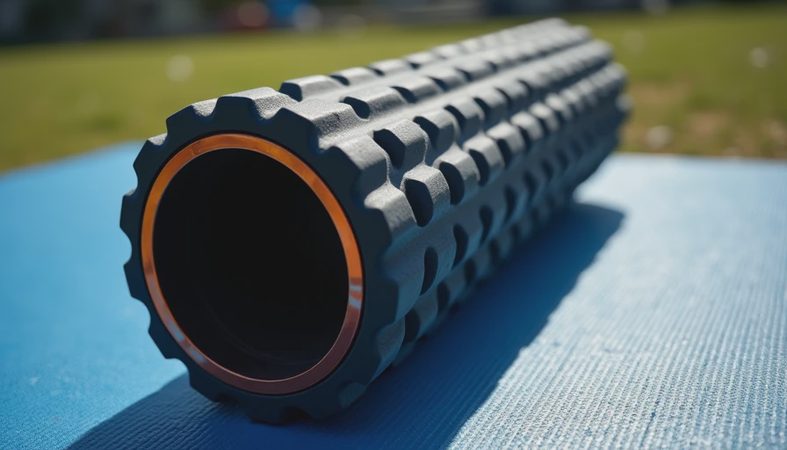
I'm Corey Nelson, and after 12 years coaching everyday adults, I can tell you this: mobility isn't a luxury for athletes. It's the difference between finishing your workday feeling like a person and finishing it feeling like a question mark. The good news is that a short, consistent mobility routine can undo a lot of the sitting damage. You don't need a gym, a foam roller, or an hour. You need six moves and about ten minutes.
Why Sitting All Day Wrecks Your Body
When you sit, a few predictable things happen. Your hip flexors — the muscles at the front of your hips — shorten and stay contracted. Your glutes, the muscles that should be doing the heavy lifting, turn off and get weak. Your shoulders roll forward because your chest muscles tighten while your upper back stretches and weakens. Your lower back takes on more load than it's designed to hold.
None of this is dramatic. It happens slowly, over months and years, until one day you bend over to pick up a pen and your back seizes, or you reach overhead and your shoulder pinches. The pain isn't an injury; it's an adaptation to a chair-shaped life.
The fix isn't to quit your job or buy a standing desk (though alternating positions helps). The fix is to give your body the movement it's been missing, in short doses, every day.
The 10-Minute Desk-Job Mobility Routine
Do these six moves in order. You can do them in your office, your living room, or a quiet corner of the break room. You don't need to change clothes. You just need enough space to kneel and reach. Hold each position for about 30 seconds per side, and move slowly. No bouncing, no pain.
1. Half-Kneeling Hip Flexor Stretch
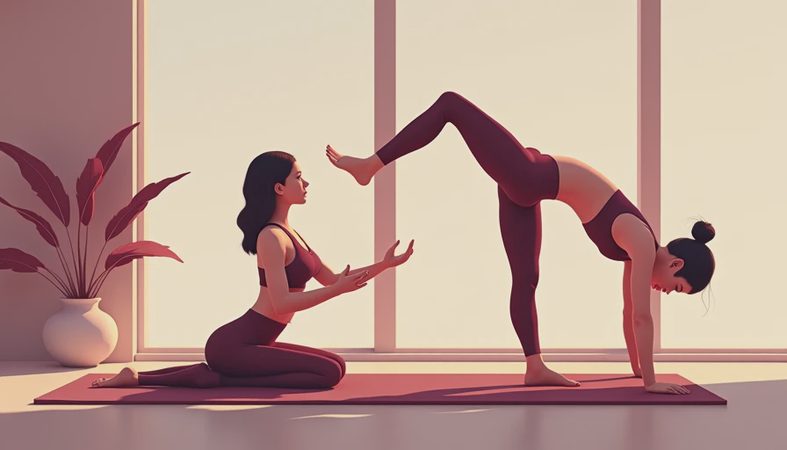
Kneel on one knee with the other foot flat on the floor in front of you, like you're about to propose. Squeeze the glute of the kneeling leg and gently shift your weight forward until you feel a stretch in the front of that hip. Keep your torso tall — don't lean back and arch your lower back. Hold for 30 seconds, then switch sides.
This directly targets the muscles that shorten most when you sit. It's the single best move you can do for your hips if you work at a desk.
2. Standing Hip Hinge with Reach
Stand with your feet hip-width apart. Push your hips back like you're closing a car door with your butt, letting your torso tilt forward. Keep your back flat and your knees soft. As you hinge, reach your arms forward like you're pushing a shopping cart. Return to standing by squeezing your glutes. Do 10 slow reps.
This wakes up your glutes and hamstrings while teaching your lower back to stay stable. It's a movement pattern that desk workers lose quickly.
3. Wall Slide for Shoulders
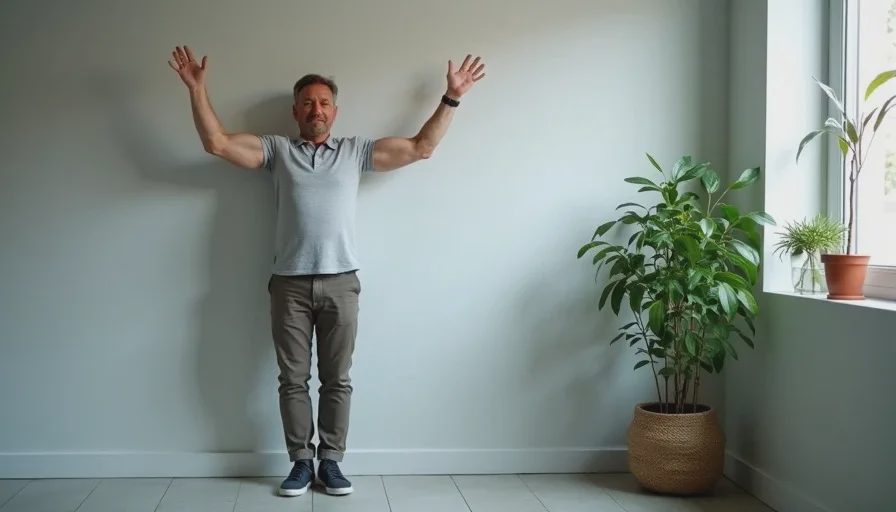
Stand with your back against a wall, feet a few inches away. Keep your lower back gently pressed toward the wall. Raise your arms to shoulder height and bend your elbows to 90 degrees, like you're making a goalpost. Slowly slide your arms up the wall as far as you can without your lower back arching or your shoulders shrugging. Then lower them back down. Do 8–10 slow reps.
This opens up your shoulders and strengthens the muscles in your upper back that get weak and stretched from hunching over a keyboard.
4. Thoracic Rotation
Sit on a chair or the floor with your back tall. Place one hand behind your head and gently rotate your upper body toward that side, like you're trying to look behind you. Keep your hips still — the movement should come from your mid-back, not your lower back. Exhale as you rotate. Hold for two seconds, then return. Do 8 reps per side.
Sitting stiffens your mid-back, which forces your lower back and neck to pick up the slack. This move restores rotation where you need it most.
5. Glute Bridge with Hold
Lie on your back with your knees bent and feet flat on the floor. Push through your heels and lift your hips until your body forms a straight line from knees to shoulders. Squeeze your glutes hard at the top and hold for five seconds. Lower slowly. Do 10 reps.
This reconnects you to your glutes, which go dormant when you sit on them for hours. Strong glutes take pressure off your lower back and improve your walking, lifting, and standing posture.
6. Doorway Chest Stretch
Find a doorframe. Stand in the doorway with your arms out to the sides and your elbows bent at 90 degrees, forearms resting on the frame. Step one foot forward and gently lean through the doorway until you feel a stretch across your chest and the front of your shoulders. Keep your neck relaxed and your eyes forward. Hold for 30 seconds.
This counters the forward shoulder roll that comes from typing, driving, and scrolling. It feels especially good after a long day at a desk.

How to Fit This Into Your Day
I'm not going to tell you to do this routine every morning and evening and on your lunch break. That's unrealistic. Start with once a day, every day, for two weeks. The best time is whatever time you'll actually do it. For some people, that's right after work, before they get in the car to drive home. For others, it's before bed or during a mid-morning break.
What matters is consistency, not timing. A 10-minute mobility routine done most days is more effective than an hour of stretching you do once a month.
Make It Stupid Simple
Pick one trigger — something you already do every day — and attach the routine to it. For example: after I close my laptop, before I leave my desk, I do the first three moves. After dinner, I do the last three. The trigger does the remembering for you.
A Real Desk Worker's Story
I had a client named Angela, a 37-year-old paralegal who sat for nine hours a day. She came to me with lower back pain that had been nagging her for a year. She'd tried a standing desk, a fancy chair, and a massage gun. Nothing stuck because none of those things addressed the root cause: her body wasn't moving in the ranges it needed.
We started with the hip flexor stretch and the glute bridge, just those two moves, every night before bed. Three weeks later, she told me her back pain had faded from a constant 6 out of 10 to a background 2. Then we added the wall slide and the thoracic rotation. A month after that, she said she felt "taller" — which is just what happens when your spine and shoulders find their way back to neutral.
Angela didn't change jobs. She didn't buy more equipment. She just gave her body ten minutes a day to undo what the chair had done.
Show Up. Move a Little. Come Back.
You don't have to quit sitting to feel better. You have to start moving in the ways sitting takes away from you. Six moves, ten minutes, most days. That's it. Your hips will loosen, your shoulders will open, and your lower back will stop screaming at you. And when that happens, you'll realize the problem was never your chair. It was the silence between sitting and moving.
No comments yet — be the first to share a thought.