If you want high protein dessert recipes that taste like dessert instead of a punishment, you are in the right place. You do not need to ban cookies, weigh every blueberry, or survive on plain chicken and steamed broccoli. A satisfying sweet can fit into a strong, healthy routine, especially when it helps you get more protein without adding another complicated meal to your day.
As a coach, I have watched plenty of busy adults make nutrition harder than it needs to be. They finish work, help with homework, squeeze in a short workout, and then discover that dinner was hours ago. A simple protein-rich dessert can be a practical bridge between hungry and satisfied. It is food, not a test of character.
Why protein belongs in dessert
Protein helps support muscle repair and maintenance, which matters whether you lift weights, join a livestream workout, or are simply trying to feel steadier carrying groceries up the stairs. It also makes a snack more filling than a treat built mostly from sugar and refined flour. That does not make sugar or flour bad. It just means combining them with yogurt, milk, cottage cheese, eggs, tofu, or a protein powder can give the snack more staying power.
The best high protein dessert recipes are not magic fat-loss formulas. They are convenient options that can help you build a meal pattern you can repeat. A serving with 15 to 25 grams of protein can be useful after exercise or during the afternoon slump, but your exact needs depend on your size, activity, health history, and total diet. If you have kidney disease or another condition affected by protein intake, ask your healthcare professional for individualized guidance.
Start with flavor, not restriction. If you love chocolate, use cocoa and a few chocolate chips. If cheesecake is your favorite, build a yogurt-based version with berries and a crumb topping. The goal is a dessert you look forward to eating.

Three easy recipes to try this week
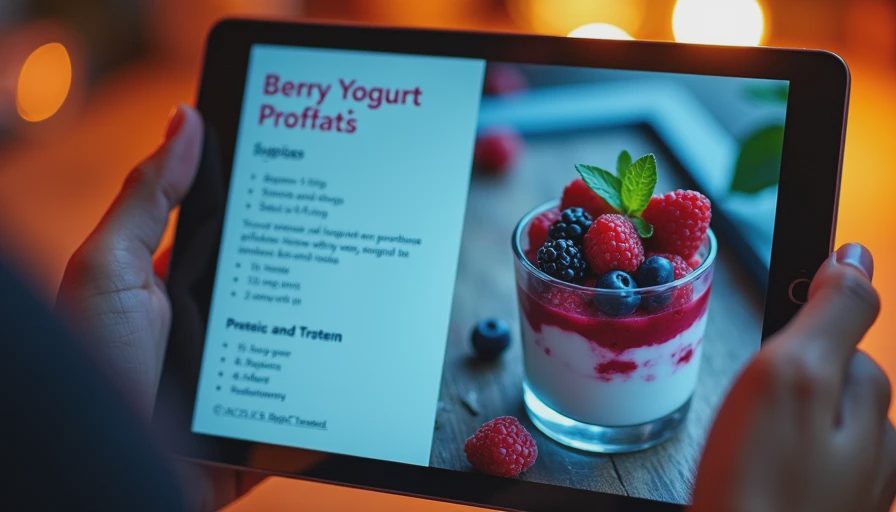
One of my favorite high protein dessert recipes is a chocolate peanut butter yogurt cup. Stir one cup of plain Greek yogurt with one tablespoon of peanut butter, one teaspoon of cocoa powder, and a little maple syrup or honey. Add a pinch of salt and top it with sliced banana or a tablespoon of granola. Depending on the brands and amounts you use, the bowl can provide roughly 20 grams of protein and takes about three minutes to assemble.
For a frozen option, blend cottage cheese with frozen berries, vanilla extract, and a small spoonful of honey. The result is thick, cold, and surprisingly close to soft serve. If the texture of cottage cheese bothers you, blend longer than you think you need to. Add a few crushed graham crackers on top after blending instead of mixing them in, so you get that cheesecake-style crunch.
A baked oat cup works well when you want something warm. Mix quick oats, an egg, mashed banana, milk, cinnamon, and a scoop of vanilla protein powder in a microwave-safe mug or small bowl. Microwave in short intervals until the center is set, then let it rest for a minute. The texture is closer to a soft baked oatmeal than a bakery cupcake, which is exactly why it works for breakfast or dessert.
How to make these desserts taste better
Texture is usually the difference between a recipe you make once and one that becomes part of your week. Greek yogurt can be tangy, so vanilla, cinnamon, citrus zest, or a small amount of sweetener helps round it out. Cottage cheese needs blending if you want a smooth mousse. Protein powder varies widely in sweetness and thickness, so add it gradually and adjust with milk rather than dumping in extra sweetener.
Use contrast. A creamy base needs crunch from toasted oats, chopped walnuts, cacao nibs, or crushed pretzels. A rich chocolate dessert benefits from berries or flaky salt. A cold dessert can use warm cinnamon apples. These small details make high protein dessert recipes feel intentional instead of like a bowl of ingredients you are forcing yourself to finish.
You can also keep portions realistic. A small glass jar or eight-ounce bowl is enough for most snack desserts. If you are genuinely hungry, pair the dessert with fruit or eat it after a regular meal. Making the portion tiny does not create better habits if it leaves you searching the pantry twenty minutes later.
A simple prep plan for busy weeks
Choose one creamy recipe and one baked recipe on Sunday or another day that works for you. Prepare two yogurt cups in containers with lids, then mix the dry ingredients for two oat cups in advance. Store toppings separately so granola and nuts stay crisp. This setup takes less time than ordering a snack online and gives you an option when the afternoon gets crowded.
Keep useful ingredients where you can see them. Plain Greek yogurt, cottage cheese, frozen fruit, oats, cocoa powder, eggs, and milk cover a lot of ground. Single-serve yogurt containers are convenient, while a larger tub usually costs less per serving. Protein powder is optional; it is not required for a protein-rich dessert. If you buy one, choose a flavor you already enjoy and check the label for allergens and added ingredients.
For food safety, refrigerate dairy-based desserts promptly and use clean containers. Most homemade yogurt mixtures are best within a few days. Frozen desserts can last longer, but allow them to soften before eating so the texture improves.
How dessert fits with workouts
You do not need to earn dessert with exercise. That old bargain tends to make food feel like a reward system, and it can make a missed workout feel like a reason to overcorrect. Instead, connect your snack to your schedule. A yogurt bowl after a strength session can provide protein and carbohydrate when you are ready to eat. A baked oat cup before an evening class may work better if you need something gentle and familiar.
On a rest day, the same dessert is still allowed. Your body is recovering, and rest supports progress too. If your overall meals already contain enough protein, adding more to dessert is not automatically better. Choose the recipe because it tastes good and helps you feel satisfied, not because a number on the label makes it morally superior.
Make your own high protein dessert recipes
Once you understand the structure, experimentation gets easy. Start with a protein base such as Greek yogurt, cottage cheese, milk, eggs, silken tofu, or a protein powder. Add a flavor direction, such as chocolate peanut butter, lemon berry, cinnamon apple, or banana walnut. Finish with a texture contrast and taste before adding more sweetener.
For example, blend silken tofu with cocoa, vanilla, and melted dark chocolate for a smooth pudding. Stir Greek yogurt into cooled chia pudding for a thicker snack. Mix ricotta with berries and lemon zest for a quick bowl that tastes fresh rather than heavy. None of these ideas requires special equipment beyond a blender for the smooth versions.
The best high protein dessert recipes are the ones you will actually make on a tired Tuesday. Keep the ingredients familiar, the cleanup manageable, and the flavor enjoyable. Show up. Sweat a little. Come back. Your food routine can follow the same steady approach.




No comments yet — be the first to share a thought.