Barre classes online are a practical way to add strength, balance, and mobility to a crowded week. You do not need a dancer’s body, a dedicated studio, or an hour of free time. You need a little floor space, a chair or countertop for support, and a class that respects your current fitness level. After coaching thousands of everyday adults, I have learned that consistency beats intensity almost every time.
What barre training actually does
Barre workouts borrow ideas from ballet, Pilates, and strength training. You will often hold a supported position, perform small controlled movements, and switch between lower-body, core, and upper-body exercises. Those tiny pulses can feel surprisingly challenging because the muscles stay under tension rather than relaxing after every repetition.
The goal is not to imitate a professional dancer. The useful goal is improved control. A slow squat teaches your knees and hips to work together. A standing leg lift challenges balance and hip stability. A plank variation asks your trunk to resist movement while your shoulders support you. Over time, that control can make stairs, lifting groceries, and getting up from the floor feel more manageable.
Barre is also easy to scale. You can use a full range of motion, take a smaller range, pause between exercises, or remove the optional weights. A good instructor explains those choices without making the easier version sound like failure. Your muscles can work hard without your joints being punished.
How to choose barre classes online
Start with the instructor, not the promise in the thumbnail. Look for clear demonstrations, specific form cues, and regular reminders to breathe. A coach should explain what you should feel and what would be a warning sign. “You should feel effort in your thighs” is useful. “Ignore pain and push through” is not.
For beginners, barre classes online should offer low-impact options and a visible modification for balance work. Check whether the class description lists its length, equipment, and expected difficulty. A 15-minute class using only a chair may be a better starting point than a 60-minute advanced session with ankle weights, bands, and rapid transitions.
You can find sessions through YouTube, fitness platforms, and livestream communities. Some services, including Peloton and Apple Fitness+, organize classes by duration and level, while independent coaches often bring more personal instruction to live sessions. A subscription can cost roughly $10 to $40 per month, but free classes can be enough to learn whether the style suits you.
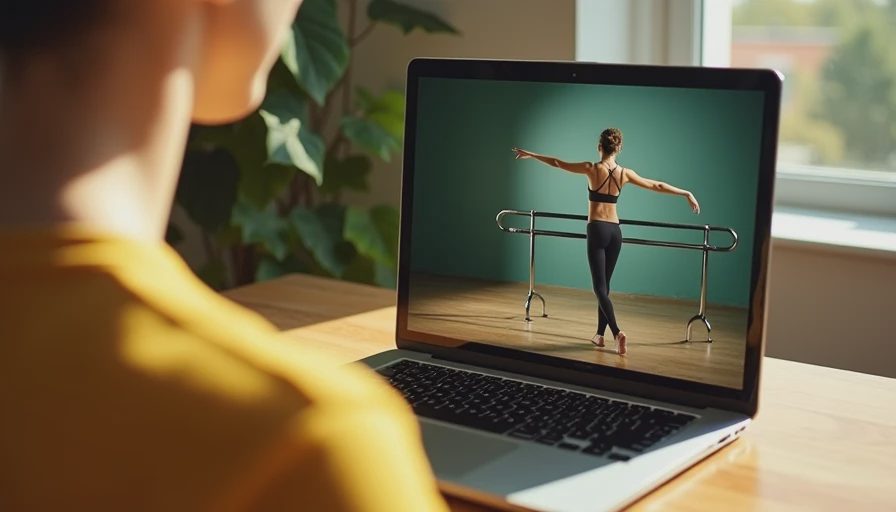
A realistic setup for your living room
You do not need a ballet barre. Place a sturdy chair near a wall or use a kitchen counter that does not slide. Clear enough space to extend your arms and step backward without hitting a coffee table. Wear comfortable clothes and shoes that let you feel stable; many classes are done barefoot, but socks can be slippery on hardwood floors.
Keep the first session simple. Begin with five minutes of easy marching, shoulder rolls, and gentle hip movement. Then choose a 15- to 20-minute class with no required equipment. Have water nearby, but do not turn the workout into a test of endurance. If your form becomes rushed, take a break. The point is to practice quality movement, not to win against a timer.
A useful beginner schedule is two sessions each week, separated by at least a day. Add a third session when recovery feels normal. On other days, take a walk or do a few minutes of mobility. This combination gives you strength practice without asking one workout to solve everything.
How to modify common barre exercises
During a plié or wide squat, keep your knees tracking in the same direction as your toes and reduce the depth if your hips or knees complain. You do not get extra credit for dropping lower. During a leg lift, hold the chair with one hand and make the movement smaller if your torso starts leaning. The smaller version often trains the target muscles better because you are not using momentum.
For core work, try a bent-knee tabletop position before straightening your legs. If a plank bothers your wrists, place your hands on a counter or come down to your knees. If your lower back arches during abdominal work, reduce the range and gently exhale as you move. These are not signs that you are bad at exercise. They are information about the version your body can control today.
A little muscle shaking is common when you are holding a position. Sharp pain, numbness, dizziness, or joint pain is a reason to stop and reassess. People with a recent injury, significant balance concern, or medical condition should get appropriate professional guidance before starting a new exercise routine.
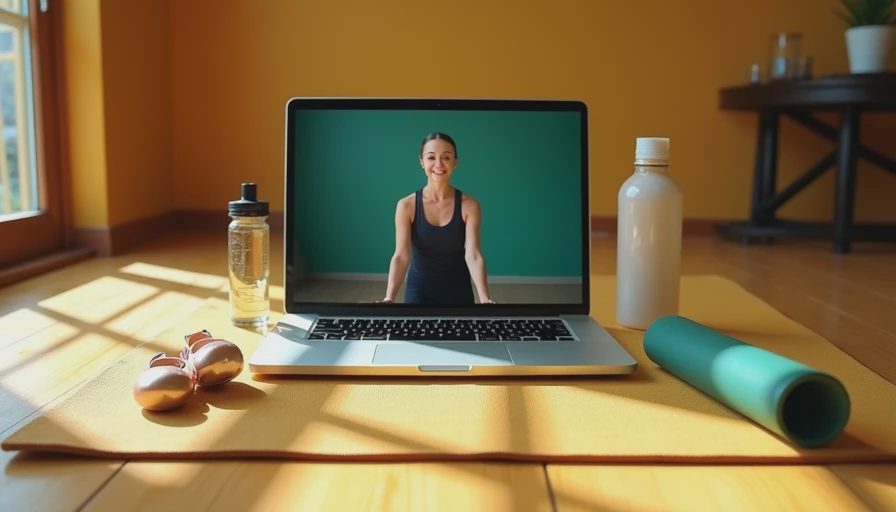
Making barre fit a busy week
The best barre classes online are the ones you will actually attend. Put two sessions on your calendar at times that already have a reliable anchor, such as after school drop-off or before your evening shower. Keep your chair in the workout area and save a few favorite classes so setup takes less than two minutes.
You can also use a “minimum session.” On a packed day, do the warm-up and one lower-body series for 10 minutes. That still gives you practice and protects the habit. If you have more energy, continue. If not, you have made a reasonable choice instead of turning an imperfect day into a skipped week.
Try pairing barre with ordinary movement. A short class followed by a walk can be a comfortable Saturday routine. A five-minute core session after a desk-heavy workday can help you change positions and pay attention to how you are holding tension. Fitness should support your life, not require your life to revolve around it.
What progress should feel like
Do not measure progress only by appearance or the number of minutes you can tolerate. Notice whether you can balance more confidently, control a leg lift without swinging, stand from a chair more smoothly, or finish a class with less breathlessness. You may also notice that you recognize when to modify instead of forcing an uncomfortable position.
Keep a simple note on your phone after each workout. Record the class length, how difficult it felt, and one movement that improved. After four to six weeks, review the notes. You might see that a 20-minute session is now comfortable, your balance is steadier, or you are choosing a challenging option without losing control. Those changes matter because they transfer beyond the screen.
If you want coaching, accountability, and the feeling of showing up with other people, a livestream class can help. Seeing an instructor demonstrate modifications in real time removes some of the guesswork. If you prefer privacy, an on-demand library gives you the freedom to pause, repeat, and work around family or job demands.
Barre classes online can be a strong starting point for adults who want low-impact strength training without the pressure of extreme workouts. Choose a clear instructor, begin with short sessions, modify early, and build gradually. Show up. Sweat a little. Come back.





No comments yet — be the first to share a thought.