High protein vegetarian recipes do not need to involve complicated ingredients, tiny portions, or spending your entire Sunday cooking. If you are trying to feel stronger, recover from workouts, or simply stay satisfied through a busy afternoon, a few dependable meal formulas can make eating well much easier. You do not need a perfect diet. You need food you will actually make on a Tuesday when work runs late and everyone is asking what is for dinner.
Why protein matters for everyday strength
Protein helps your body repair and maintain muscle, which matters whether you lift weights, take livestream classes, carry groceries, or are getting back into exercise after a long break. It also tends to make meals more filling. That does not mean every plate needs to become a bodybuilding science project. A practical target is to include a clear protein source at breakfast, lunch, dinner, and one snack when needed.
Vegetarian eaters have plenty of useful options: Greek yogurt, cottage cheese, eggs, tofu, tempeh, edamame, lentils, black beans, chickpeas, seitan, and protein-fortified pasta. Nuts and seeds can contribute protein too, although they also bring more calories from fat, so they work best as part of a balanced meal rather than the entire protein strategy. The goal is variety, not finding one magical ingredient.
One of my favorite high protein vegetarian recipes is a savory cottage cheese toast. Blend cottage cheese with lemon juice, black pepper, and a pinch of garlic powder, then spread it over whole-grain toast. Add sliced tomatoes, cucumber, or a fried egg. It takes about five minutes and gives you a more substantial breakfast than toast with jam alone. If cottage cheese texture is not your thing, blending it turns it smooth and creamy.
Breakfasts that do not require a 6 a.m. personality
A protein-friendly breakfast should be easy enough to repeat. Try overnight oats made with rolled oats, milk or soy milk, Greek yogurt, chia seeds, and berries. Add a scoop of protein powder if you like the flavor and want more protein, but it is not mandatory. Prepare two jars at once and keep them chilled for up to a couple of days.
Another reliable option is a breakfast quesadilla. Fill a whole-wheat tortilla with scrambled eggs, canned black beans, shredded cheese, and salsa. Cook it in a dry skillet until the outside is crisp. The beans add fiber, the eggs and cheese provide protein, and the salsa keeps the meal from tasting like a punishment. For a plant-based version, use crumbled tofu seasoned with turmeric, cumin, and a little salt.
Smoothies can work well when chewing breakfast feels impossible, but make them complete. Blend soy milk, frozen fruit, Greek yogurt or silken tofu, spinach, and peanut butter. A fruit-only smoothie often disappears quickly and leaves you hunting for snacks an hour later. High protein vegetarian recipes work best when they combine protein with fiber and enough carbohydrate to support your day.
Easy lunches for the desk, car, or kitchen counter
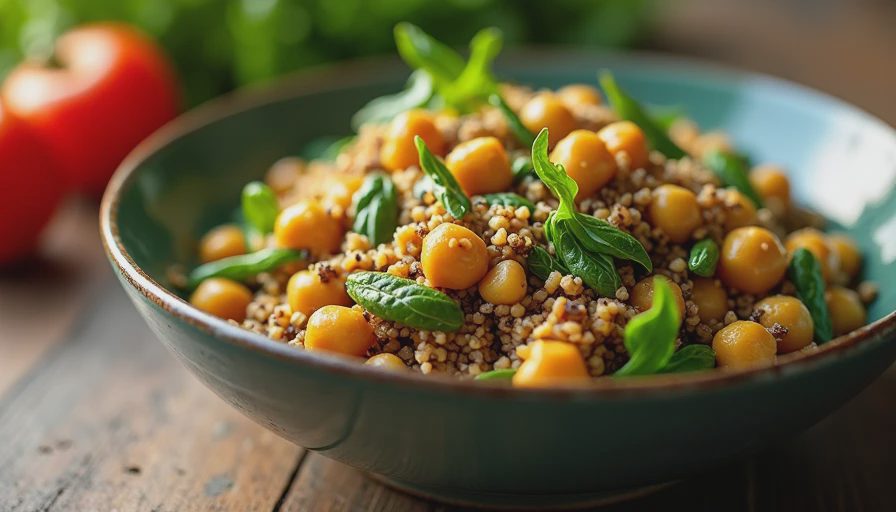
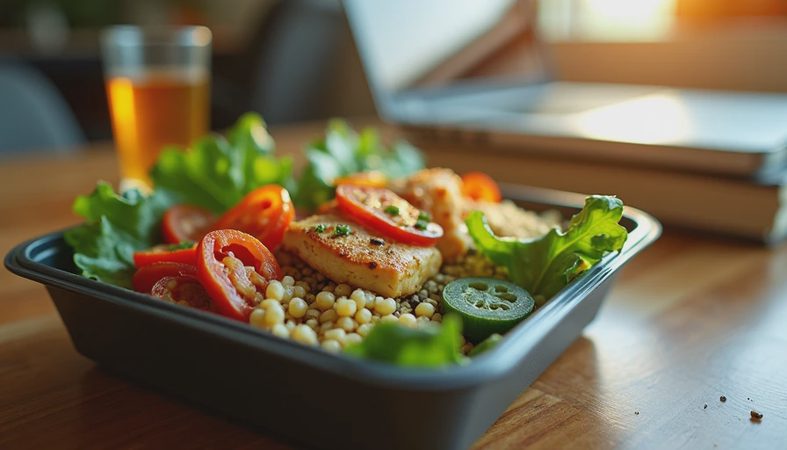
Lunch is where good intentions often fall apart. The fix is not greater discipline; it is having two or three components ready. Build a grain bowl with cooked quinoa or brown rice, roasted vegetables, chickpeas or baked tofu, and a sauce made from Greek yogurt, lemon, and herbs. You can use frozen vegetables to save time. No one awards extra points for chopping a fresh bell pepper when a microwave bag is sitting in the freezer.
For a faster lunch, mash chickpeas with Greek yogurt, mustard, diced celery, and pickle relish. Serve it in a whole-grain wrap with lettuce, or scoop it onto crackers alongside fruit. If you prefer eggs, make a batch of egg salad using Greek yogurt in place of some mayonnaise. Add smoked paprika, scallions, and black pepper for a little more flavor.
Lentil soup is another quiet champion. Heat canned lentil soup and add frozen spinach, diced tomatoes, or white beans. Serve it with whole-grain toast and shredded cheese. This is the kind of meal that feels humble but does the job: warm, inexpensive, filling, and ready in under ten minutes.
Dinners with enough flavor to repeat
A weeknight dinner needs a simple structure: protein, produce, and a satisfying carbohydrate. Try sheet-pan tofu with broccoli and cubed sweet potato. Press extra-firm tofu, cut it into pieces, and toss it with olive oil, soy sauce, smoked paprika, and cornstarch. Roast everything until the edges brown, then add a quick sauce of peanut butter, lime juice, warm water, and chili flakes.
Tempeh tacos are another winner. Crumble tempeh into a skillet with taco seasoning and a splash of water. Serve it in corn tortillas with cabbage, avocado, salsa, and plain Greek yogurt. If tempeh has a strong flavor for you, simmer it in water for ten minutes before seasoning. That small step softens its taste and gives the spices more room to work.
Pasta can absolutely fit into high protein vegetarian recipes. Use chickpea or lentil pasta, then add marinara, mushrooms, spinach, and white beans. The beans make the sauce heartier, while parmesan or nutritional yeast adds savory flavor. You can also stir cottage cheese into warm marinara for a creamy sauce, though blend it first if you want a smooth texture.
Snacks that bridge the hungry gap
A snack is useful when there are several hours between meals or when you finish a workout and dinner is still a while away. Keep the decision small. Greek yogurt with berries and walnuts takes less than a minute. Edamame with sea salt works straight from the microwave. A hard-boiled egg with an apple is portable and familiar. Hummus with carrots is a good choice, and adding roasted chickpeas or a cheese stick makes it more filling.
You can make a simple protein snack box with cottage cheese, whole-grain crackers, grapes, and pumpkin seeds. Portion it into containers so you can grab one before leaving for work. This is not about controlling every bite. It is about giving your future self a better option than eating random cookies while standing at the counter.
A realistic prep plan for the week
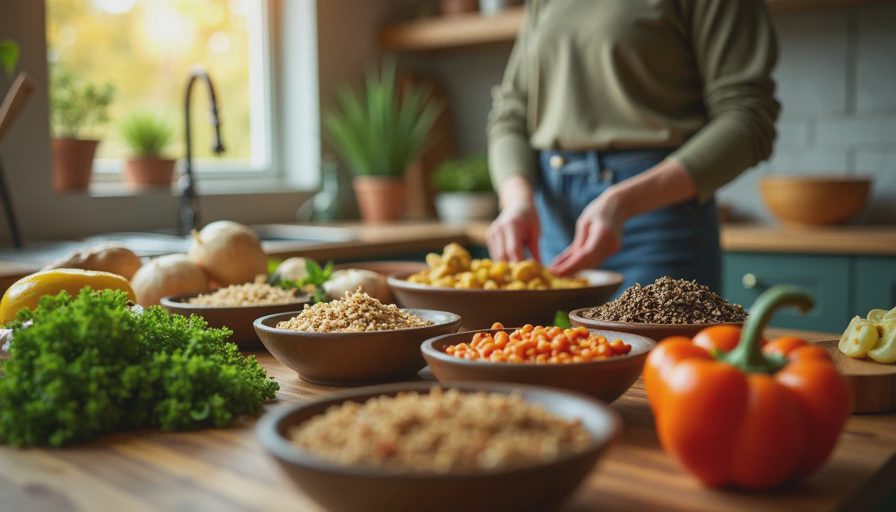
Start with one protein base, one grain, and one sauce. For example, bake a block of tofu, cook a pot of quinoa, and mix lemon-herb Greek yogurt. Add frozen broccoli, bagged salad, or pre-cut vegetables throughout the week. On another day, use canned beans and eggs so your meals do not all taste identical.
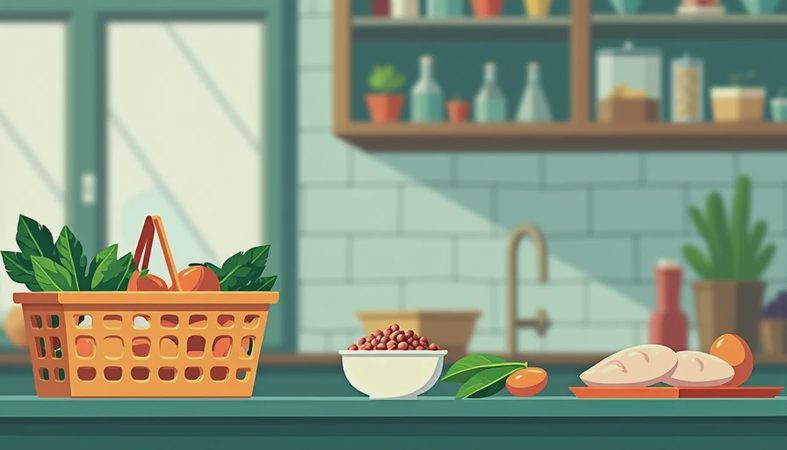
When shopping, choose ingredients that require different levels of effort. Buy microwaveable brown rice for exhausted nights and dry lentils for a day when you have more time. Keep salsa, marinara, soy sauce, mustard, and hot sauce nearby because sauces turn repeated ingredients into different meals. High protein vegetarian recipes become sustainable when convenience is treated as a tool, not a failure.
If you are new to strength training, pair a balanced meal with your routine rather than chasing a perfect post-workout window. Eat something you enjoy within a reasonable part of the day, drink water, and notice how your energy responds. If you have kidney disease, a medically prescribed diet, or another health concern, ask a qualified clinician about your individual protein needs.
The best plan is the one that leaves room for real life. Make breakfast easier, keep two emergency lunches available, and use dinner leftovers when they help. You do not have to overhaul your kitchen this week. Choose one recipe, put the ingredients on your grocery list, and try it once. Show up. Sweat a little. Come back.

No comments yet — be the first to share a thought.