If your upper back feels locked up after a day at a laptop, in the car, or chasing kids, thoracic mobility exercises can give you a practical place to start. The thoracic spine is the middle section of your back, between your neck and lower ribs. It is designed to rotate, extend, and flex, but long stretches of sitting can make those movements feel rusty.
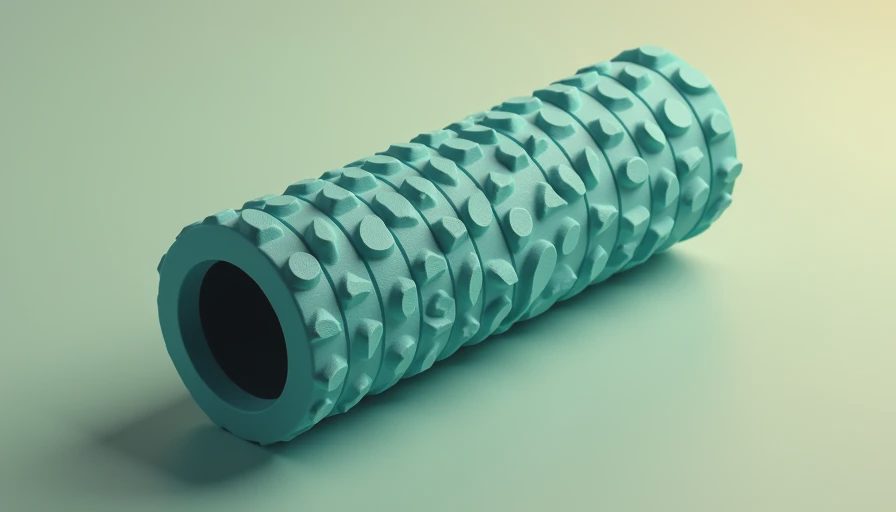
That does not mean your body is broken. It usually means your daily positions are asking for less movement than your joints and muscles can handle comfortably. A few controlled minutes can help you practice moving through your upper back again. You do not need a foam roller, a gym membership, or a heroic tolerance for discomfort. You need a little floor space and a pace you can repeat.
Why your upper back gets stiff
Your thoracic spine helps your rib cage move as you breathe and supports your shoulders when you reach, lift, push, or pull. When the upper back stays rounded for hours, the muscles around the chest, ribs, neck, and shoulder blades often start doing more work than they should. That can make reaching overhead feel limited and can encourage your neck or lower back to compensate.
Thoracic mobility exercises are not a magic cure for every ache, and they should not create sharp pain, numbness, tingling, or dizziness. Think of them as movement practice. You are teaching your body that rotation and extension are available, not forcing a joint into an extreme position. Keep the effort around a gentle three or four out of ten. Slow breathing is useful because it helps you avoid bracing through the entire drill.
For a busy schedule, try this routine after brushing your teeth, before a walk, or during a work break. Ten to fifteen minutes, three or four days each week, is enough to build consistency.
Four beginner-friendly movements
Start with the wall slide. Stand with your back against a wall, feet several inches forward, and ribs relaxed rather than flared. Bend your elbows like a goalpost and slide your arms upward only as far as you can without shrugging. Lower slowly for six to eight repetitions. This combines shoulder movement with upper-back extension, and the wall gives you useful feedback without requiring perfect balance.
Next, try the quadruped rotation. Get onto your hands and knees with hands below shoulders and knees below hips. Place one hand behind your head. Without shifting your hips, rotate your elbow toward the ceiling, then toward the opposite arm. Follow the elbow with your eyes, but keep your neck comfortable. Complete five slow repetitions per side. The goal is rotation through the upper back, not a dramatic twist created by swinging your arm.
The side-lying open book is another reliable option. Lie on your side with knees bent and arms straight in front of you. Keep your knees stacked while you sweep the top arm across your body and toward the floor behind you. Let your chest turn gradually, then return with control. Take four to six breaths on each side. If your top knee lifts, reduce the range or place a pillow between your knees.
For a simple extension drill, sit tall in a sturdy chair with hands behind your head. Keep your lower back fairly quiet as you gently lift your chest toward the ceiling over the chair back. You are not trying to lean as far as possible. Two sets of five repetitions are plenty. These thoracic mobility exercises work best when the motion is smooth and repeatable rather than aggressive.
A 15-minute sequence you can actually use
Here is how I would organize these thoracic mobility exercises for someone who has a meeting-heavy workday. Begin with one minute of easy walking around the room or relaxed arm swings. Then perform eight wall slides, five quadruped rotations per side, and five open books per side. Rest for about thirty seconds between movements if you need it. Finish with two sets of five seated extensions.
Use your exhale during the part of each movement where your chest opens or your body rotates. That cue often helps people stop gripping their shoulders. Keep both feet, knees, or hands connected to the floor when the exercise calls for it. Stable contact gives your body a reference point and makes it easier to notice whether the movement is coming from your upper back or from somewhere else.
If you only have five minutes, choose the open book and quadruped rotation. If you have a sensitive wrist, do the rotation standing with one hand on a countertop. If kneeling is uncomfortable, perform the wall slide and seated extension instead. A modified routine that you repeat beats a perfect routine you avoid.

Common mistakes that make mobility feel worse
The biggest mistake is chasing a huge range of motion. A stretch can feel intense without being useful, and forcing the end position often causes your neck or lower back to take over. Stop each repetition just before your form changes. Over the next few weeks, a comfortable range may gradually expand without you pushing harder.
Another common issue is holding your breath. People often inhale, brace, and then muscle through a rotation. Instead, breathe in gently at the starting position and exhale as you move. If breathing feels difficult, make the movement smaller. You should be able to speak in a normal voice while practicing this routine.
Moving too quickly is also easy to miss. Fast repetitions can create momentum, which makes it harder to tell what is actually moving. Use a two-second opening, a brief pause, and a two-second return. That tempo gives your brain better information and keeps the work friendly for beginners.
Finally, do not turn a mobility session into a test of flexibility. Your right and left sides may feel different. That is normal. Work within the tighter side's comfortable range rather than forcing both sides to match immediately.
When to get extra help
Stop an exercise if it causes sharp pain, new numbness, tingling, unusual weakness, or symptoms that travel into an arm. A healthcare professional can help you sort out whether your discomfort is related to muscles, joints, nerves, or another condition. Persistent pain that affects sleep, work, or daily activities deserves individual attention instead of a longer internet routine.
For general stiffness, thoracic mobility exercises are a reasonable starting point, but they are not the whole movement plan. Pair them with regular walking, basic strength work, and changes to your workstation. Raise your screen closer to eye level, keep your keyboard within easy reach, and stand up for two minutes every half hour when possible. Your body responds to the full day, not just the ten minutes on the floor.
Make the habit easy to keep
Put a folded towel beside your desk as a visual reminder. Set a phone timer for midmorning and midafternoon, then complete one or two movements instead of waiting for a perfect workout window. On especially busy days, one round still counts. Consistency teaches more than occasional intensity.
I have coached plenty of adults who assumed they needed a dramatic stretching program. Usually, they needed a calmer starting point and a plan that fit between work, dinner, and bedtime. Choose two thoracic mobility exercises, practice them slowly, and notice whether reaching, turning, or sitting feels a little easier over the next few weeks. Show up. Sweat a little. Come back.




No comments yet — be the first to share a thought.