I turned 38 this year, which means my 20s are far enough behind me that I can see them clearly from a distance. In my 20s, I trained like a guy with nothing to lose. I'd lift heavy, skip warm-ups, sleep five hours, and still wake up ready to do it again. If I tried that now, my body would file a formal complaint by Tuesday. The truth is, getting stronger at 40 doesn't mean recreating your 20s routine. It means training smarter for the body you have now, not the one you used to have. And that's not a downgrade — it's an upgrade in intelligence.
I'm Corey Nelson, and I've spent 12 years coaching everyday adults, most of them in their 30s, 40s, and 50s. The people who succeed at building strength after 40 aren't the ones who try to out-train their age. They're the ones who learn to work with their bodies instead of against them. This post is about how to do that — without beating yourself up, and without giving up on being strong.
Why Your 20s Routine Doesn't Work Anymore
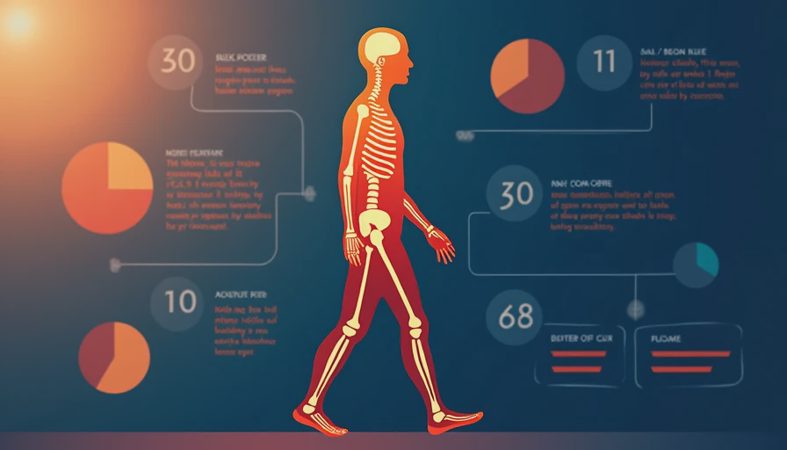
In your 20s, your body forgives almost everything. Poor sleep, skipped warm-ups, questionable form, too much volume — you can absorb a lot of abuse and still recover. As you get into your 40s, that margin of error shrinks. You might notice that a hard workout takes two days to recover from instead of one. Your joints might feel a little stiffer in the morning. Your lower back might remind you that it exists after a long day of sitting or lifting.
None of this means you're broken. It means your body is asking for a different approach. The problem is that many people respond to these changes in one of two unhelpful ways: they either quit entirely because they think they're "too old," or they push harder to prove they've still "got it." Both approaches fail. The first one gives up strength you can absolutely keep or build. The second one leads to injury, burnout, and frustration.
The smart approach is to adjust the variables: recovery, exercise selection, intensity, and expectations. You don't have to stop squatting. You just might not squat the same way you did at 25. And that's okay.
The Real Goal: Functional Strength, Not Gym Numbers
At 40, the goal of strength training shifts. In your 20s, maybe you wanted to bench a certain number or look a certain way. At 40, strength becomes more practical. You want to carry your kids, haul groceries, do yard work, and get up from the floor without groaning. You want to stay active for decades, not just for the next beach season. That's a different kind of strength, and it's actually more satisfying.
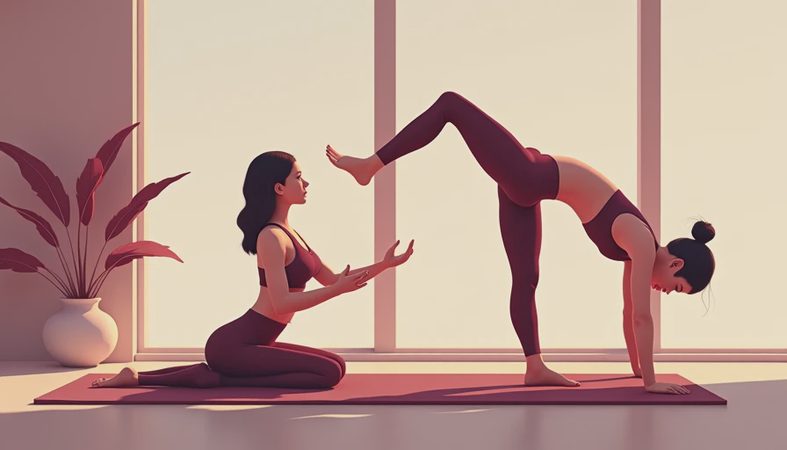
A client of mine named James came to me at 46 after throwing out his back doing a workout he'd done in his 20s. He was embarrassed. He said, "I used to deadlift double this." I told him what I tell everyone: your 20s workout belongs to your 20s. Let's build a 40s workout that actually serves you now. Six months later, James wasn't deadlifting double, but he could wrestle with his two teenage sons and carry a 40-pound bag of mulch without pain. He told me that mattered more than any number on a bar.
That's the shift. Getting stronger at 40 is about being useful in your actual life, not chasing an old version of yourself. The good news is that your body still responds to strength training — sometimes dramatically — if you give it the right stimulus and enough recovery.
How to Adjust Your Training After 40
Here are the adjustments I've learned to make, both for myself and for my clients. These aren't rules set in stone, but they're patterns that show up again and again.
Warm Up Longer Than You Think You Need
In your 20s, you could roll out of bed and go straight into a heavy set. In your 40s, your joints and muscles need a little more runway. A proper warm-up doesn't have to be long — five to ten minutes is enough — but it should be consistent. I start every session with light movement: marching in place, arm circles, bodyweight squats, maybe some hip hinges. The goal is to get blood flowing and wake up the joints before you ask them to work.
Skipping the warm-up is one of the most common mistakes I see in people over 40. They're short on time, so they jump straight into the workout. Their body isn't ready, and something complains. Then they think they're injured. Usually, they're just under-prepared. Five minutes of warm-up can save you weeks of pain.
Choose Joint-Friendly Variations
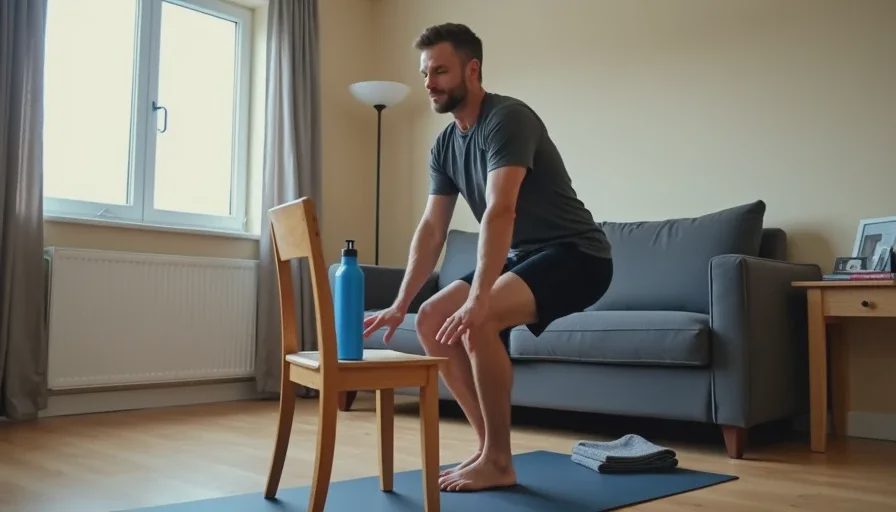
You don't have to give up squats, push-ups, or lunges. But you may need to change the version you do. For example, if barbell back squats bother your knees or lower back, try a sit-to-stand from a chair or a goblet squat holding a single dumbbell or a backpack. If floor push-ups hurt your wrists, do wall push-ups or counter push-ups. If lunges bother your knees, try reverse lunges or step-ups onto a low step.
The goal is the movement pattern, not the specific exercise. Your body doesn't care whether you're doing a barbell squat or a sit-to-stand — it just knows it's practicing the squat pattern. Choose the version that allows you to train without pain, and you'll be able to train consistently for years.
Prioritize Recovery Like It's Part of the Workout
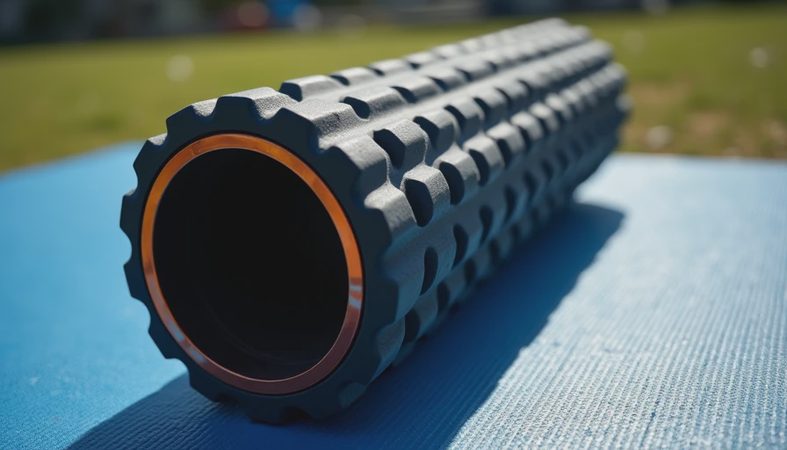
Recovery is where strength is actually built. In your 40s, you may need more days between hard sessions, more sleep, and more attention to nutrition. If you're lifting hard three days a week and feeling constantly sore, try dropping to two full-body sessions and adding a day of walking or mobility. The extra rest often leads to better progress, not less.
Sleep is the most underrated recovery tool. I know, because I have two young kids and I don't always get enough. But when I'm short on sleep, I adjust my workouts — lighter weights, fewer sets, more mobility. I don't try to push through fatigue with caffeine and stubbornness. That's a young man's game. The 40-year-old version of me knows that a lighter workout done well is better than a hard workout that wrecks the next three days.
Train for Movement, Not Just Muscle
In your 20s, you can get away with training only the muscles you care about. In your 40s, you need to train movement patterns that keep your whole body functioning. That means paying attention to your core, your hips, your shoulders, and your balance — not just your arms and chest. I spend more time on carries, rotations, and single-leg work now than I ever did in my 20s, because those are the things that keep me useful.
This doesn't mean you need a complicated program. It means you need a balanced one. Push, pull, squat, hinge, carry, rotate. If you hit those patterns consistently, you'll be strong in the ways that matter.

A Simple Strength Routine for the 40s
Here's a routine I use with clients over 40. It's designed to build real-life strength without beating up your joints. Do it two or three days a week, with at least one rest day between sessions. Each session takes about 25 minutes. You'll need a chair, a wall, and something to carry — a loaded backpack, a couple of water bottles, or a bag of groceries.
Session A: Lower Body and Carry
Warm up: 5 minutes of marching, arm circles, and bodyweight squats.
Sit-to-stand from a chair: 3 sets of 10 reps.
Standing hip hinge: 3 sets of 10 reps.
Farmer carry: 3 rounds of 30-second carries with a loaded bag in each hand.
Glute bridge on the floor: 3 sets of 10 reps with a 2-second hold at the top.
Dead bug: 2 sets of 8 reps per side.
Session B: Upper Body and Core
Warm up: 5 minutes of arm circles, wall push-ups, and shoulder rolls.
Wall push-up: 3 sets of 10–12 reps.
Bodyweight row under a sturdy table: 3 sets of 8–10 reps.
Side plank: 2 sets of 20 seconds per side.
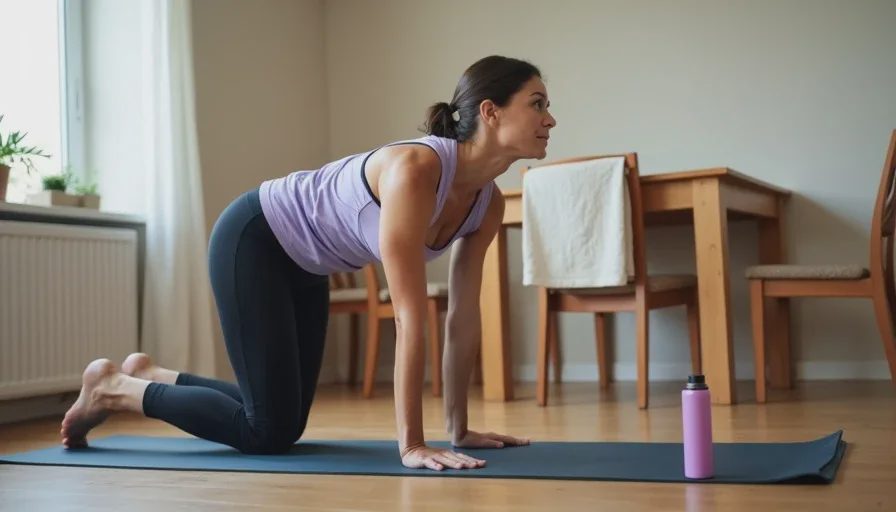
Bird dog: 2 sets of 8 reps per side.
Standing rotation with a light object (like a water bottle or small backpack): 2 sets of 10 reps per side.
That's it. No fancy equipment, no heavy barbells, no high-risk movements. But if you do this consistently, you'll notice real changes in how your body feels and functions. You'll carry groceries more easily, get up from the floor with less effort, and feel more stable in your daily life.
What About the "No Pain No Gain" Mentality?
I want to address this directly, because it's the biggest obstacle for people over 40. The fitness industry spent decades telling us that if a workout doesn't hurt, it's not working. That message is especially dangerous as you age. Pain is not a badge of honor. It's your body telling you something.
In your 20s, you can muscle through a lot of discomfort and usually recover. In your 40s, ignoring pain tends to lead to real injuries that set you back for months. I'm not saying you should avoid all discomfort — there's a difference between the burn of a hard set and the sharp pain of a joint or a muscle that's being pushed too far. Learn to tell the difference. If something hurts in a bad way, stop. Modify the movement. Ask for help if you need it. There's no shame in training smart.
I had a client who used to brag about "walking it off" when his knee hurt. At 48, he came to me with a knee that clicked and ached every time he climbed stairs. We stopped the heavy leg presses, switched to sit-to-stands and gentle hip hinges, and gave the knee six weeks to calm down. He told me it was the longest six weeks of his life. But now he walks stairs without pain, and he's finally accepted that training smart beats training stupid, no matter what the old-school gym guys say.
You're Not Too Old. You're Just Training for a Different Game.
Here's the message I want you to take from this: your 40s are not the beginning of the end. They're the beginning of a different kind of training — one that respects your body, honors your responsibilities, and builds strength that actually matters. You don't have to go back to your 20s routine. You get to build a 40s routine that's smarter, more sustainable, and more useful.
The strongest people I know aren't in their 20s. They're in their 40s, 50s, and 60s — because they've learned to work with their bodies instead of fighting them. They've learned that consistency beats intensity, that recovery is part of the work, and that being useful beats being impressive.
So if you're 40 or older and you're wondering if you can still get stronger, the answer is yes. But don't try to do it like you did at 25. Do it like someone who's learned a thing or two. Your future self will thank you.
Show up. Sweat a little. Come back. That's the whole game — at any age.
No comments yet — be the first to share a thought.