Low impact follow along workouts are a practical way to move when your knees feel cranky, your schedule is packed, or the thought of a crowded gym makes you want to reorganize the junk drawer instead. You do not need to jump, sprint, or finish drenched in sweat to build a useful fitness habit. You need a clear plan, manageable exercises, and a coach who explains what to do next.
I have coached more than 3,000 everyday adults, and the pattern is consistent: people rarely need more punishment. They need movement that fits Tuesday morning, a lunch break, or the 20 minutes after the kids finally go to bed. Low impact training can raise your heart rate, strengthen major muscles, improve balance, and help you practice consistency without treating your body like an enemy.
What low impact exercise actually means
Low impact does not mean low effort. It usually means at least one foot stays connected to the floor, reducing the repeated landing forces created by running, jumping, and hopping. Marching in place, squatting to a chair, stepping side to side, and controlled reverse lunges can all challenge your muscles and breathing without requiring explosive movement.
That distinction matters. Someone returning after years away from exercise may be able to work hard during a 30-second march, even if jumping jacks are uncomfortable. A person with sensitive joints can also increase difficulty by moving with better control, using a longer range of motion, adding resistance bands, or taking shorter rests. The goal is useful challenge, not a dramatic workout thumbnail.
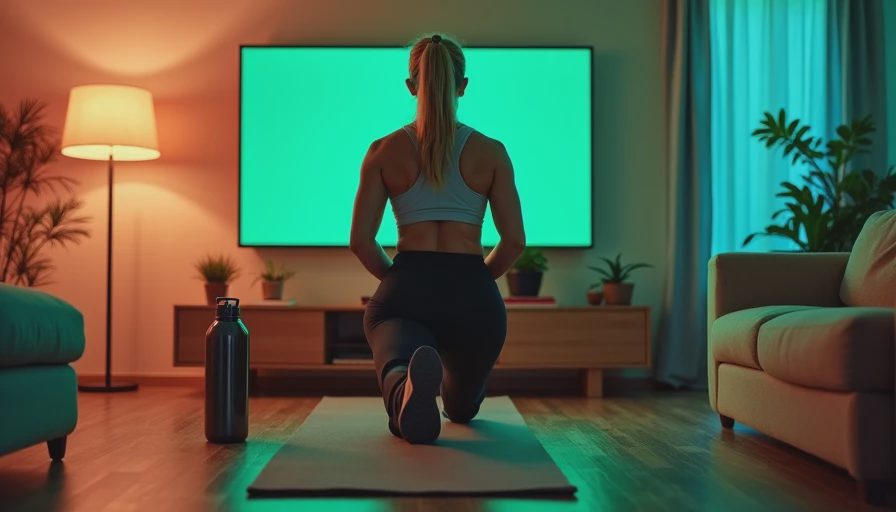
When you follow a guided session, you also spend less mental energy deciding what comes next. That is one reason low impact follow along workouts work well for beginners and busy adults. You can focus on posture, breathing, and effort instead of building a routine from random social media clips.

A simple 15-minute routine to try
Before starting, clear a small area and keep a sturdy chair nearby. The chair is not a sign that you are failing; it is a smart tool for balance and confidence. Begin with two minutes of easy marching, shoulder rolls, and gentle side steps.
Then complete three rounds of the following sequence. Work for 40 seconds and rest or transition for 20 seconds:
- March in place, swinging your arms naturally. This warms your legs and gradually increases circulation.
- Sit-to-stand from a chair. Press through your feet and keep your chest tall. This trains your thighs and hips for ordinary tasks such as getting out of a car.
- Wall push-ups. Place your hands on a wall, bend your elbows, and press away. Move your feet farther back when you want more challenge.
- Step-touch with a reach. Step right, bring the left foot in, then switch while reaching overhead or forward.
- Standing calf raises. Hold the chair lightly, rise onto your toes, and lower slowly to work the lower legs and ankle control.
Keep the effort around a six out of ten: breathing more noticeably, but still able to speak in short sentences. This is the sweet spot for many people starting low impact follow along workouts. If your form becomes rushed, slow down before adding intensity.
How to make follow-along sessions safer and more useful
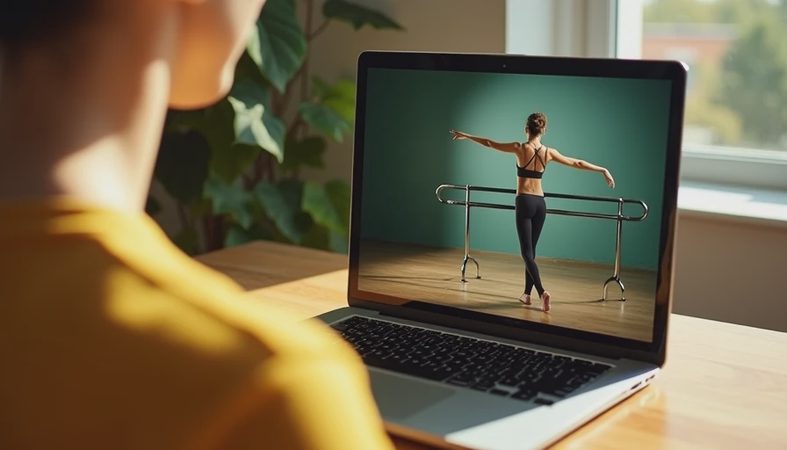
A good video or livestream should show modifications before you need them. Look for an instructor who demonstrates a seated option, explains joint alignment, and gives you time to transition. You should not feel pressured to match the fastest person on screen. The screen is a guide, not a scoreboard.
Set up your environment before pressing play. Wear shoes with a stable sole if you are exercising on a hard floor, move loose rugs, and keep water within reach. If you have a diagnosed condition, recent surgery, chest pain, unexplained dizziness, or an injury that changes how you walk, ask a qualified medical professional how to begin. Stop for sharp pain, not just normal muscle effort.
You can also adjust the workout without abandoning it. Replace a reverse lunge with a supported step-back, swap overhead reaches for chest-level reaches, or take a seated minute while the instructor continues. A modified session still counts. In fact, the ability to modify is a fitness skill that helps you return tomorrow.
Progress without turning exercise into punishment
Progress does not require adding impact. Start by completing two sessions per week for 15 to 20 minutes. After a couple of weeks, add a third session or increase one work interval from 40 to 45 seconds. Later, you might use a light resistance band or two small dumbbells, perhaps five pounds each, while keeping your movement controlled.
Track practical wins instead of chasing a scale number. Maybe stairs feel less demanding, you can stand from a low couch more easily, or your afternoon back stiffness improves. Those changes are evidence that your capacity is growing. Low impact follow along workouts are especially useful here because repeating familiar movements lets you notice improvements in balance, range of motion, and stamina.
Try alternating focuses across the week. Monday can be a full-body strength session, Wednesday can emphasize mobility and balance, and Saturday can be a gentle cardio workout. A 10-minute session is a useful fallback when your planned 25 minutes disappears. Consistency built from small sessions is more durable than an ambitious plan you avoid.
Choosing the right workout for your day
Not every session needs to feel the same. On a high-energy day, choose a standing circuit with brisk marching, squats, and band rows. On a stressful day, pick a mobility class with slower transitions and longer breathing breaks. If you slept poorly, lower the range of motion and keep the effort conversational.
Read the description before starting. A workout labeled beginner-friendly should still explain alternatives, but terms vary between platforms. YouTube has countless free options, while services such as Peloton, Apple Fitness+, and other subscription platforms often provide filters for duration, equipment, and intensity. You do not need the most expensive app; you need an instructor whose pacing and explanations make you want to return.
I also recommend choosing a regular appointment. Put a 15-minute block on your calendar, place your mat where you can see it, and decide in advance which session you will use. Removing those small decisions makes starting easier. Low impact follow along workouts become much more effective when they are attached to an existing habit, such as coffee, a lunch break, or the children’s bedtime routine.
Your next step can be deliberately small
For your first week, schedule three sessions: 15 minutes on Monday, 15 minutes on Wednesday, and 20 minutes on Saturday. Keep one chair nearby, select a beginner-friendly video, and stop while you still feel capable of doing a little more. Write down how your joints, breathing, and energy felt afterward, not just whether the workout looked impressive.
On week two, repeat the same schedule before changing everything. Familiarity reduces hesitation and gives you a fair way to measure progress. If you miss a day, continue with the next planned session instead of trying to make up for it with an exhausting workout.
There is no prize for making movement miserable. The best plan is the one that respects your current body and leaves room for real life. Show up. Sweat a little. Come back. That is how low impact follow along workouts turn into strength, confidence, and a routine you can actually keep.



No comments yet — be the first to share a thought.